
Overcoming hip dysplasia challenges to build a postpartum care business
Interview with Dani Potter
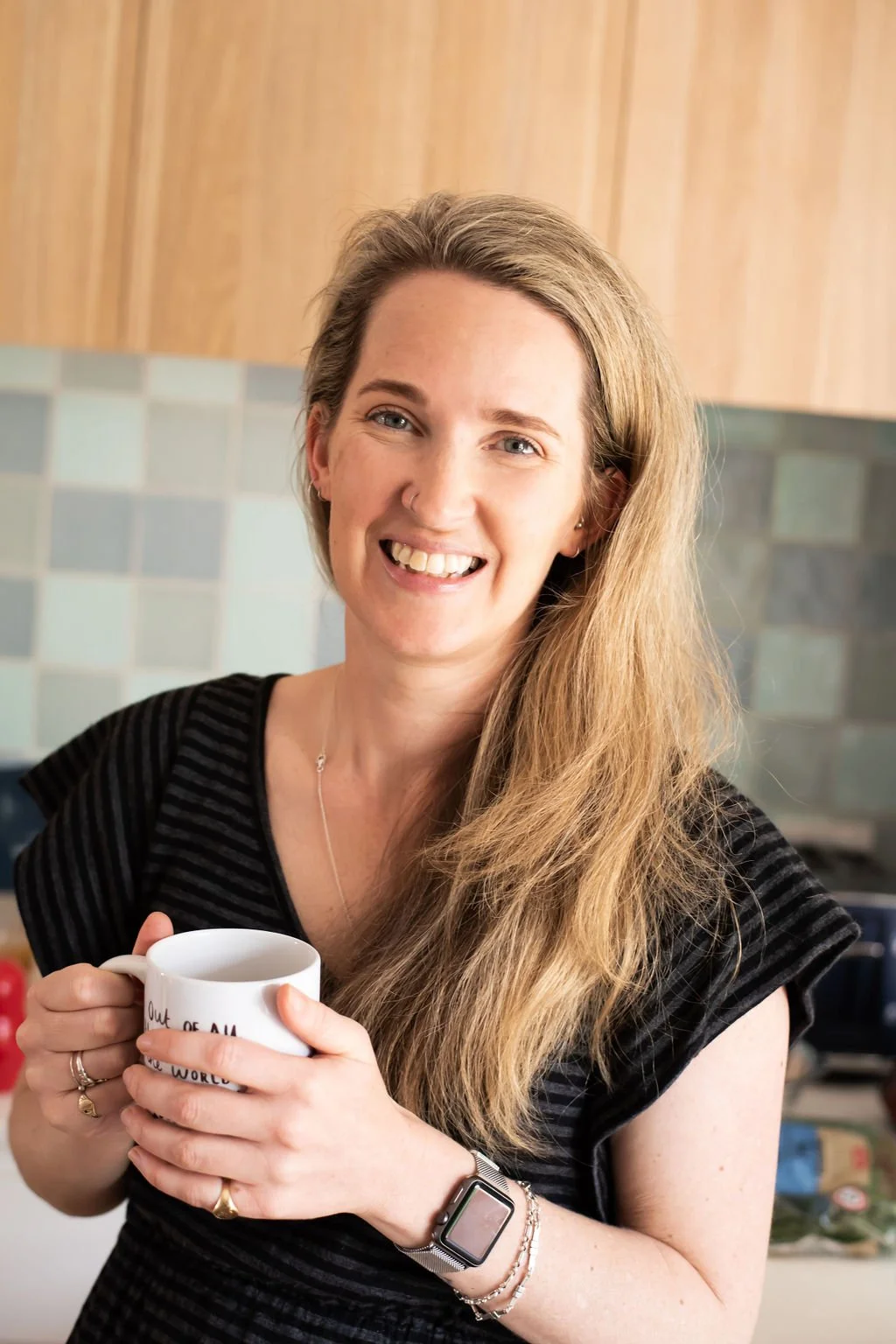
Julia Jones chats with Dani Potter about her personal journey navigating infant hip dysplasia and the impact it had on her postpartum experience. They explore how Dani transformed those challenges into a heartfelt mission: providing practical support to new mothers by preparing nourishing meals that help ease the early days of motherhood.
Listen Now
About Dani
Dani is a mum of two, a risk and safety professional, and a postpartum education and care provider. Her daughter was diagnosed at birth with severe hip dysplasia, while she navigated post-delivery challenges. Two years later, her son was also diagnosed with hip dysplasia, in addition to allergies.
Following the birth of both her children, Dani was closely supported by her family and wondered who cared like this for new mums who didn’t have family available. This led her to Newborn Mothers, where she studied and then started her business providing meals and in-home support for new mothers.
Reach out to Dani here: http://www.beyondbabydoula.com
We explore the following questions:
What made you interested in postpartum care, and how did your early experiences influence that decision?
How did your family's support during postpartum shape your understanding of what new mums truly need?
Did you expect to need help after birth, or was it something that surprised you as a first-time mum?
How did your cousin’s approach resemble the role of a postpartum doula?
What helped you realise that many women don’t have access to the kind of care you received?
How did your son’s and daughter’s hip dysplasia experiences affect your postpartum journey?
What was it like discovering postpartum care training through Newborn Mothers, and what drew you to it?
How did you begin building your business after completing the training?
What kind of support did you find yourself naturally offering to friends before becoming a professional?
Why did you decide to focus primarily on food as your main postpartum offering?
How has experiencing pregnancy loss shaped the way you work with families now?
How do you tailor support depending on each family’s unique needs and emotional space?
What strategies have helped you stay in this field while avoiding burnout?
How does inviting mums into your kitchen for meal prep deepen the support you offer?
What advice would you give to others about accepting the ebb and flow of capacity in motherhood?
If you love this podcast please subscribe leave a 5-star rating and review wherever you listen!
Transcript
Julia Jones:
Hello and welcome to the Newborn Mothers Podcast. Today I'm joined by graduate Dani, who did our course a few years ago now, and life's thrown you a few twists and turns. So I always like checking in with people and sort of finding out how things are going a few years down the track. So Dani, do you want to introduce yourself and what you do?
Dani Potter:
Yeah, sure. Hi everyone. I am Dani. I started the course in 2021 after I had my second bub Eddie, and through my maternity leave I navigated the course and set up my business. Then once life got back on track, after having Ed, I went back into my day-to-day job in health and safety, and did my postpartum work on my days off.
Julia Jones:
Do you want to take us back to the beginning? Because I know you had a sort of challenging time when two of your babies were born and some sort of extra challenges compared to other people. So what made you interested in postpartum care?
Dani Potter:
I've got a nearly 7-year-old daughter as well, Tilly, and when she was born, she was born with severe hip dysplasia. So she was put into a Pavlic Harness at birth, which was an experience that I never anticipated could happen that early, and something that really rocked me, after a fairly traumatic birth. So she went in, going into that harness meant that we couldn't give her a bath every day. We couldn't have those squishy, snuggly, newborn cuddles. She was quite rigid in her harness. There were Velcro straps that were scratchy and uncomfortable. And I found myself getting very low. My mood was low, the blues hit hard. I also had an infection post birth, and so I was feeling pretty awful in myself.
And I was very fortunate that my cousin, who'd had a bub only three months earlier and my mum both kind of dropped everything in that time and alternated coming to our house and caring for me. They would come over, they would cook, they would clean. Mum reorganised our entire house and just kept things going and made sure that I was lying on the couch eating well and just looking after Tilly. I found myself thinking, I'm really fortunate to have this. How many women out there don't have that support? Surely there is a system out there that can provide support to women who don't have it, but where is it? Where is that system for the women who don't have their family around them? So later when I was pregnant with Ed, I started researching what care and support programmes and systems were out there, and came across your training, and thought, right, this is something that I can really immerse myself in. And I can learn and I can apply these strategies to myself in my postpartum. And then once I'm recovered and back on deck, I can start providing that same care for others.
Julia Jones:
I'm curious as well, it doesn't sound like you'd planned for your mum and your cousin to look after you. Dani Potter:
No.
Julia Jones:
So it often is in our culture, it's not considered that all families will need support after they have a baby. It's kind of like, only if something goes wrong, then you're like, oh, now it's valid. Now it's okay. I'm allowed to ask for help because of this thing that's happened.
Dani Potter:
Do you know, I think they would've provided that care and support regardless of if we'd had challenges or not. My cousin particularly was very vocal during my pregnancy because we were pregnant at the same time, and that was her second baby. So she'd been through postpartum before and she was able to say, when you have your bub, you are going to need to stop and rest, and you are going to need a freezer full of food so that you don't have to be up on your feet and preparing food. So she instinctively put that in place and she spoke to my mum and said, right, you are going to be around and between us, we are going to do this together.
Julia Jones:
So it sounds like she almost has that attitude of being a doula. But you weren't, as the first time mum, aware that you would need that?
Dani Potter:
My goodness. No. No. I remember, I was out with Tilly when she was 10 days old and we went to a playground to meet up with another friend and her kids. And looking back on that now, I think, what on earth were you thinking? And I was so physically uncomfortable and, you know, at the time thinking I'm, how are other women doing this? How are they out and about with their bubs walking and you know, parading around, not parading around, but getting out and about and showing bub off to family and friends.
Julia Jones:
That looking normal. I think that's the thing. But you probably looked normal from the outside too.
Dani Potter:
Probably. And inside I felt wretched.
Julia Jones:
So it's funny, it's like all of us are walking around going, how's she coping?
Dani Potter:
Yeah.
Julia Jones:
And people are also thinking that of us.
Dani Potter:
And just no one talks about it.
Julia Jones:
So then your son also had hip dysplasia?
Dani Potter:
He did. His wasn't as severe. Tilly was in the Pavlic from birth. So she got it put on at two days old. She was in it for 12 weeks, in total. And then she has thankfully been clear, since then. She responded really well to that treatment. Eddie's was not so severe, so he was able to go into it…we had a choice. We could wait six weeks or put him into it at one week. We waited a week, got those cuddles in, and then put him into it, knowing that we'd had success with Till. And again, he was only in it for six weeks. And then all clear after that.
Julia Jones:
Interesting. So even just those early days of cuddles made a difference for you?
Dani Potter:
Yeah, definitely. Just being able to hold him with no clothes on. We could have done that with Till, because the Pavlic went on under her clothes, but the risk of her soiling the harness, which then doesn't get changed until you go to your appointment, which could be two weeks away. So, you know, you're fastidious about cleanliness with the harness in those early days. You know, you don't want a poo explosion, you don't want a nappy leak, you don't want to drop any food or anything on the harness because you can't take it off. It's not like you can just swap one out, or clean it because then it stays wet. They're often made of wool, so they take a long time to dry. So it's challenging.
Julia Jones:
And again, it just really interrupts that intuitive bonding experience where you do just want to cuddle and you don't want to think about leaking breast milk and, you know, nappy explosions and things like that interrupt all of that. So it was after your second that you decided you wanted to do postpartum care and how did you kind of realise that was a career option, that you could do that professionally?
Dani Potter:
When I was pregnant with Eddie, I was listening to Australian Birth Stories a lot. And there was frequent mention of The First 40 Days book. And so I got myself a copy and read that and then kind of went down the rabbit hole a bit, researching more about the book, about the recipes, about those pillars of postpartum, of supporting yourself and how others can support you. And actually it was one night I was up breastfeeding, I think at like two or three o'clock in the morning and one of your ads popped up in my Facebook feed and I thought, oh, I could do training and this is through an Australian provider, and oh wow, I can sign up and I could start in a couple of weeks. Let's do it. And so I just signed up in the middle of the night.
Julia Jones:
I love it. I love it. Most people need a bit longer to think about it. But you were obviously really ready
Dani Potter: I was, I was. Yeah. And it just, it just felt like the right thing to do at the time.
Julia Jones:
So then, what were your sort of first steps starting a business and actually working with mums?
Dani Potter:
The first thing I did was set up my website, because I wanted there to be a central kind of point for information for people to go where they could learn about me and the offerings that I was providing. I spoke to a lot of friends, because I'd inadvertently been providing some care to friends over the years. And so I spoke to them about what things that I'd done for them that particularly resonated. So was it, you know, bringing a meal, was it sitting with them? Was it being a shoulder to cry on or vent to or talk to? Was it, you know, me holding bub and kind of, not babysitting, but being an extra set of hands in the house for them to shower or change or sleep or do a light gentle yoga class. And so from that, I put together that food was my strongest offering, and closely followed by just being a presence in their home to be support, to be someone to talk to be, a set of hands to hold bub if they were fussy. So that mum can go and have a bath, to provide some essential oil blends that supported whatever mum was going through. And just be that person that they can rely on.
Julia Jones:
I love it. So it sounds like you've done like really quite a wide range of things and at the moment you've settled on food. Do you want to talk about why that's where you've landed right now?
Dani Potter:
Two years ago when my business was starting to pick up a bit more, we sadly lost a pregnancy. And so I took a little step back, sort of got my head back in the game, took some time for myself and really re-centered myself. And then late last year, we sadly lost a second pregnancy, a lot later. We were 14 weeks and losing that second bub, II really had to take a step back from being around pregnant women, being around new babies, being around conversations about pregnancy and babies and everything in that space. And providing food is something that I can still do without being deep into that pregnancy baby space. I can prepare meals at home, I can drop them to the door. I still feel like I'm providing support to families, without putting myself at risk of that emotional heartache.
Julia Jones:
I'm really glad you have found something that works for you and that, like you're saying, still means that you can provide meaningful support. I think that's one of the really lovely things about postpartum care, is there's just so many different ways to do it that whatever sort of age and stage of life and whatever you're going through personally, there's always going to be just a little something that you can keep on the table.
Dani Potter:
And I think it's also important recognising that not every family needs the whole shebang. Some families only need support with food. other families only need support with a physical presence. And so for me, being able to recognise that and I suppose take the pressure off myself, in that regard has helped me to stay in the space and provide that care.
Julia Jones:
I think that's really important. And it prevents burnout as well, because there's like endless need for postpartum care, but knowing that you are just providing one piece of the puzzle and you don't have to do everything for everyone. It means you don't get that carer's burnout, as you know, it just has that little boundary. Mm-hmm. So when you’re providing food, are you doing mostly fill-the-freezer kind of sessions at the moment or a weekly kind of meal drop?
Dani Potter:
I'm doing fill-the-freezer sessions for families who need them. I'm in most situations cooking at my home. If the pregnant mum is comfortable enough to come to my home, then I invite her round and she can sit comfortably in my kitchen while I'm preparing the food for her and her family. And so while I'm doing that, I'm giving her a cup of tea. I'm giving her some snacks or a meal if it's lunchtime. And just getting to know her a little bit closer and working out what flavours and foods she and her family like.
Julia Jones:
I love that. What a beautiful way to provide support. Do you have a sort of set menu or do you really work with the family to tailor something unique for them?
Dani Potter:
I've got a few recipes that are my tried-and-tested, never fail kind of things. There's a sweet potato and ginger curry, which I think is from Village to Mamas Cookbook. I've got a few recipes from Naomi Chrisoulakis . I tend not to create my own recipes. I think there are enough wonderful recipes and recipe books out there to be used in this space and to be used for families. I tend to try to work seasonally. So if there's things that are in season or not in season, I'll work with or I'll avoid those recipes. Things that can freeze well are a no-brainer for me.
Julia Jones:
Yes.
Dani Potter:
I try to portion it into single-serve meal sizes. Unless a family particularly requests something like a lasagna and then I'll do a lasagna for the whole family.
Julia Jones:
That's so beautiful. So people can book a fill-the-freezer session with you. I especially love the option that they can still come and sit in your house and just like learn from you and be supported by you. And even just that is quite a nourishing and community kind of feeling, experience. There's a lot of connection that happens around cooking. So that's a really lovely addition.
Dani Potter:
Yeah.
Julia Jones:
And now I think your life is a little bit in limbo at the moment, but do you have any idea what's next for you or you're just sort of waiting to see?
Dani Potter:
I’m very much waiting to see, my kids are at an age where they still need me to be quite involved in what they're doing day to day, from getting them up out of bed, preparing breakfast, preparing lunches. I want to be able to have that balance to be fully present for them, and keep things ticking along business as usual. And I also work outside of my business. I'm in kind of a set-and-forget stage of life. The time will come when the kids don't need me to be as present anymore, when they're a little bit more independent and self-sufficient. That's when I'll be able to sort of step back into my business and what I offer in the space.
Julia Jones:
I love that you're really accepting of stages and capacity and things like that in a way that I think a lot of people, including me, can sort of take too much on or feel a bit frustrated when in motherhood we don't have enough time for everything. That's really nice to have a bit more of a surrender and an acceptance about where you're at and what you can do, right?
Dani Potter:
Absolutely. You can't control the things you can't control.
Julia Jones:
That's beautiful. So if people want to learn more about you, your website beyondbabydoula.com and I just realised we never mentioned where you live.
Dani Potter:
I'm on Sydney's Northern Beaches.
Julia Jones:
There we go. So if anyone needs food in the Sydney Northern Beaches, but you've also got some digital downloads on your website as well available for free.
Dani Potter:
I've got a hip dysplasia handout. My experience with hip dysplasia is all in that handout with my tips and tricks for navigating that time. I've also got one for postpartum hair loss. So it's something that most women experience postpartum. And there are a few little things that we can do to support keeping our hair or encouraging it to grow back in.
Julia Jones:
These are the little ways that even when you don't have a lot of capacity, you can still provide some kind of support. There's going to be people out there particularly, I think hip dysplasia is probably surprisingly common more than most people realise. However, I don't know of any resources, so just putting together your own personal experience and a few tips and hints from someone who's lived through that, I think that's so useful.
Dani Potter:
Thank you.
Julia Jones:
Dani, do you have anything else to add?
Dani Potter:
I don't think so. Thank you so much for having me. It's been lovely.
Julia Jones:
Thank you for coming on. So that's beyond www.beyondbabydoula.com. If you want to reach out to Dani, please do. And thank you so much for being on the podcast.
Dani Potter:
You are welcome.
