
Balancing midwifery research with a postpartum support business
Interview with Jessica Mulhall
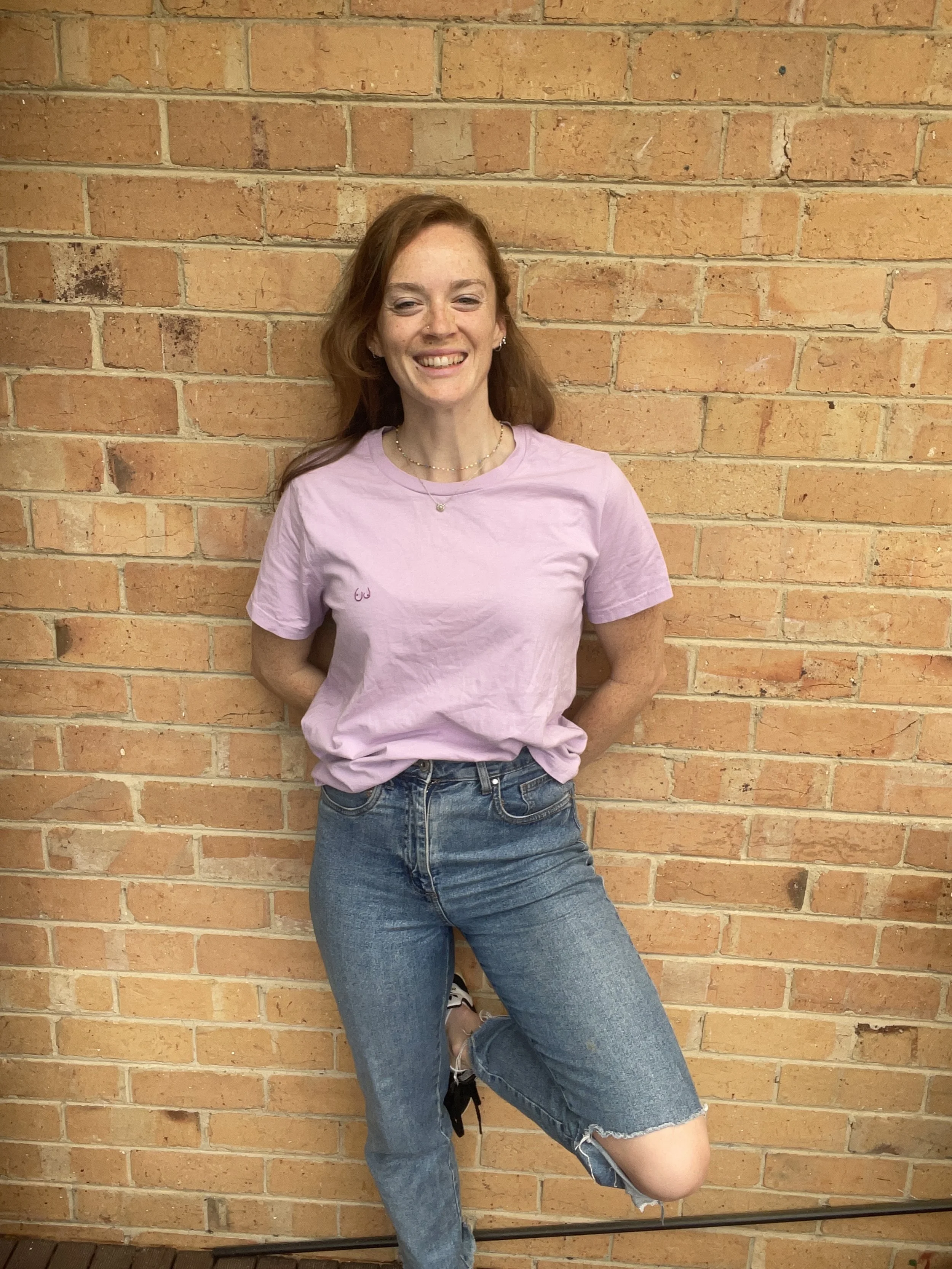
Julia Jones sits down with research midwife Jessica Mulhall to hear the inspiring story behind her Melbourne-based postpartum support business. They chat about the challenges of balancing a day job with the demands of a growing business. Jessica shares her heartfelt mission to transform traditional baby showers into intimate, mother-centred "nesting parties," helping new parents gather their villages.
Listen Now
About Jessica
Jess is a dedicated midwife, IBCLC Lactation Consultant, Antenatal educator, and Australia’s first Birth Trauma Resolution Therapist. Jess offers a comprehensive breastfeeding package that includes her unique All-In-One Antenatal Expressing Kit, designed to support colostrum collection before birth. Jess provides compassionate guidance through pregnancy, birth, and beyond, especially for those healing from birth trauma. Offering both in-person care in Melbourne and online support worldwide, Jess is committed to ensuring that you feel informed and nurtured on your parenting journey.
Reach out to Jessica here: https://www.jessthemidwife.com/
We explore the following questions:
How old were you when you decided you wanted to be a midwife, and how did that happen?
What was it like working in different parts of Australia and with Indigenous midwives in South America?
What made you want to start your own business in postpartum and lactation care?
How did your experiences as a clinical midwife influence your shift into private practice?
Why did you pursue further training in hypnobirthing, lactation consulting, and birth trauma therapy?
What challenges or gaps in postnatal care did you notice that inspired you to create your services?
How did you overcome the fear or hesitation in starting your own business?
What advice would you give to others considering a gradual transition into private practice?
How do you manage balancing your private work with your research midwifery role?
What are some of the unmet needs in trauma support for both birthing mothers and care providers?
Why is it important to recognise and support vicarious trauma in midwives and doulas?
What changes do you hope to see in maternity care and postpartum support systems?
What personal and professional goals are next for you on this journey?
If you love this podcast please subscribe leave a 5-star rating and review wherever you listen!
Transcript
Julia Jones:
Hello and welcome to the Newborn Mothers Podcast. Today we're talking to midwife Jess Mulhall, who has been a midwife for a long time, is also a lactation consultant, and an antenatal educator. I know you do birth trauma work, and you've also done training with Newborn Mothers about four years ago. So I always love chatting with my graduates, seeing what they're up to and, you know, hearing about your dreams for the future and that sort of thing. So welcome to the show, Jess.
Jessica Mulhall:
Thank you so much for having me. Excited to be here.
Julia Jones:
I always really love hearing these stories. One of my favourite parts about my job is getting to make this podcast and hear everyone's amazing journeys. So let's take you right back to the beginning. How old were you when you decided you wanted to be a midwife, and how did that happen?
Jessica Mulhall:
So I went straight into midwifery training, straight outta school. So I was 17 in my first birth suite placement, watching these babies being born. And I felt a little bit underprepared at the age of 17. But I absolutely loved it from the get-go. And so yeah, straight outta high school into midwifery training and qualified when I was 21. And this was back in Ireland, where I'm from, and I worked there for about two years. And then I thought, I want to do something different, and I always wanted to work abroad. And I had a sister who had moved out to Melbourne already a couple of years ago, so I decided I was going to follow her and came out to Melbourne and started working as a midwife here, which I thought was going to be for about two years. And that was back in 2016. So it's been a little bit longer than that. It's been a little while.
Julia Jones:
Now you've worked in some other interesting parts of the world as well. Do you want to share a little bit about some of the other places you've done midwifery?
Jessica Mulhall:
Yeah, so when I came out to Australia, I worked in Melbourne for a year and as I said, I thought I was only going to be here for two years. So I thought that after one year in Melbourne in a big hospital, I wanted to do something completely different. So I went to Queensland, outback to a town called Charleville, which is a population of about 3000 people. So it was a very different experience from metropolitan life in Melbourne, but I absolutely loved it and stayed about 18 months there. And then I thought I'd do a bit of traveling. So I went to South America for about a year and I had the opportunity to work with some indigenous keis midwives in Ecuador in the Amazon, which was absolutely incredible. So I was there for about a month and they taught me about plant medicine and their kind of traditional ways of birthing. And it was, it was just incredible. We'd walk between villages to find these pregnant women and to try and get them into their traditional programme to keep that kind of programme going so that had another option to go to, not just the kind of local hospital. So it was a really incredible experience.
Julia Jones:
Yeah, what an honour to be part of something like that.
Jessica Mulhall:
Yeah, it was, it was amazing. And then I came back to Australia and worked in a small town in New South Wales and Griffith, and then I went up to Thursday Island and worked up there, and that was absolutely incredible as well. And then I came back down to Melbourne and really started my business. That was kind of when that happened. So that was 2022 and I kind of took a step away from working clinically, just while I was kind of getting that going. And then during that time, I went down to Tasmania as well, worked in Launceston, and now I am working as a research midwife as well as working privately in my own business. So it's been moved around a couple of places. really got to see the Australian kind of landscape and different ways of practising even within Australia, and that's been incredible.
Julia Jones:
Yeah. Amazing. And I'm curious about two things. What made you want to start your own business, and also what made you interested in postnatal care? Because you do antenatal care and hypnobirthing, but you also do lactation consultant and trauma resolution. So what were the sort of things that were going on that made you think, I want to develop my skills a little bit in postpartum care, and I want to go out and start my own thing?
Jessica Mulhall:
Yeah, so while working as a midwife, you know, you are with women in such a vulnerable time of their life, and I realised that there were gaps there that maybe I could help to improve. So, you know, when you're supporting a woman in labour, you want to be there for her emotionally, physically, and spiritually. And I felt that I wanted to gain more skills. So I learned hypnobirthing. So I thought, okay, if I can get women to experience a kind of peace and calm and practise breathing techniques and all of the wonderful things we do in that course leading up until the birth, that hopefully they're more kind of prepared for actual labour and birth itself. And then I always had a passion for breastfeeding. You know, I worked on a postnatal ward for about two years when I was in Ireland. And you know, it's just all about feeding and if women don't get the support, you know, on the ward before they go home, it's, it can be, you know, it can have such a lasting impact on their breastfeeding journey then when they do get to go home, if they don't get that support there.
Jessica Mulhall:
And I thought, okay, well, if they're not necessarily getting all the support that they deserve while they're there, how am I going to help improve that? So I became a lactation consultant and then I also realised that women are going through traumatic events, in labour and birth and during the pregnancy and afterwards as well. And I thought, okay, how can I help them there? So I became a birth trauma resolution therapist, and the great thing about that therapy is that it can also help the care providers as well. So the midwives, the doulas, the student midwives, the doctors, the partners, anybody who's kind of been involved in the care or observed the care, they can also benefit from this therapy as well. So it's not for just the birthing woman.
Julia Jones:
Amazing. And then why did you decide to take those skills and start your own business?
Jessica Mulhall:
So I've had a dream for a long time of starting my own business and I think I just got to a point where I was like, okay, it's, it's now and ever kind of thing. So I decided to take that plunge and I'd saved up a bit of money and I thought this is the best time to do it. So I just really wanted to have something where I was kind of autonomous in what I was teaching, in the way I was providing care to these women. And, you know, sometimes working within the healthcare system, you don't always have enough time to provide the care that you would like to be able to, and it's just 'cause it's so busy in the hospital these days. And I thought if there was some sort of a service that I could provide where women could call me and I can come and, you know, be available to them to come into their homes and that's just going to be the best option for them because sometimes, you know, they might be waiting weeks and weeks or there might not even be postnatal services available to them from the hospital that they've attended.
Jessica Mulhall:
So I wanted to be able to provide something that they could get within their home within a few days of needing it.
Julia Jones:
Yeah, I love it. It's so important.
Jessica Mulhall:
Yeah.
Julia Jones:
And you sound like you wanted to start your business for quite a long time and it was a bit scary. You had some doubts about doing it. Can you tell me how you overcame that?
Jessica Mulhall:
I think, you know, spending my time in South America, I went through a bit of a spiritual journey as well while I was there, and I kind of just felt the calling to do it. Part of the thing while I was there was also to become a lactation consultant, so that was kind of the first step in doing that. And it was like, once I've done that, okay, now I need to start my business. So it was kind of like a stepping stone situation, so it wasn't just, okay, let's go. There were definitely steps along the way to kind of get me there. But I just got to that point where I thought, okay, it's now or never. Sometimes you just have to go, don’t you?
Julia Jones:
I think that's really good point too, that it's just one step at a time because I think a lot of people feel worried, like, if I decide I'm going to study this, then I'm going to have to like, you know, quit my job and start straight away. It's like, well, no, you could study this and then you could maybe just drop one day off your paid job and or just start it on the weekends. You know, like, it can be a gradual thing. If you need to just take it one step at a time, that's okay. It's still better to take that step than nothing at all.
Jessica Mulhall:
Exactly. And you know, people, old colleagues that I've worked with, they were saying, but you do so much. And like, I didn't just wake up and I had these qualifications, you know, it took time and I did one thing at a time and I feel very privileged to have been able to do these things and to kind of build up that skill set to offer these services to people. It’s taken some time for sure.
Julia Jones:
Yeah. And then now you've been running your business for two or three years. How does that feel now? Are you kind of really still nervous, or are you really glad you took that leap? A bit of both?
Jessica Mulhall:
Definitely glad I took that leap, and you know, when somebody books in for an appointment, I get so excited, it's not just like, oh yeah, I've booked in an appointment. I get really excited, and if somebody wants help, I almost overdo it because I still have my other job as well. So I, you know, I still have to find that work balance, I think, because if somebody wants help, I'm like, okay, I'll go after work and we'll do this. And it doesn't matter if I've pulled a 14-hour day because I just want to get them help. I think I need to work on that kind of balance a little bit.
Julia Jones:
Yeah. And it's a long-term goal that you would quit that job, or do you enjoy midwifery research? Do you think that'll always be a part of the mix for you?
Jessica Mulhall:
Well, I've only been in that job a year, so it's still a very new kind of role for me, a new area. And my, I never thought I'd be in research, but my husband is actually a mental health researcher, so it's kind of funny that we're both in research now. But I think, no, I really enjoy it, and I like the kind of balance between the two. It kind of, you know, it keeps things interesting, having that nice mix of different areas to focus on and, you know, research is the future, really, you know, we have to, it's there to help improve women's care and women's outcomes and family outcomes. And I think yeah, it's, it's crucial to the future of maternity care. So I'm very happy to be working in this job.
Julia Jones:
Yeah, I love that. And there's so much research needed in all of the areas that you're talking about, in terms of trauma and breastfeeding, there is such a lack of research in women's health in general that I think any of the areas that you have experience in could do with more research.
Jessica Mulhall:
Yeah, I agree. Definitely.
Julia Jones:
So what's your favourite thing about your business at the moment? What is really lighting you up right now?
Jessica Mulhall:
You know, I think I would love to do more work in the birth trauma space. And so I'm really kind of trying to expand in that area and let people know that I am doing this work. Whether it's for women who've experienced the trauma or midwives and caregivers who've experienced the trauma, I’m thinking I'd like to move more into that space because I think it's very kind of under, what's the word I'm trying to say? There's not a whole lot of services out there providing that kind of care. So I think I'd like to move more into that space, just so that it's available to more women and midwives, really.
Julia Jones:
I think that's really true. I think it's really under-acknowledged how much vicarious trauma midwives and doulas live through constantly. You know, like almost every client you're going to have, like something that you know, gives you a little bit of a fright or a shock or a, you know, and sometimes there will be, you know, really difficult challenging situations like stillbirth that, you know, and they sometimes the families supported, sometimes they're not. But I feel like the care providers are almost never supported. There's no one ever really checks, like, how are you feeling after that? So yeah, I think it's really important and the burnout rate is so high that I think that's, it's kind of like really a crucial missing piece, isn't it?
Jessica Mulhall:
As you said, the burnout rate, you know, people are leaving the profession, midwives are leaving the profession, and it's just creating a bigger problem because then there are fewer people working in the service. The women, the midwives who stay on working, have less time to provide care to the women, and if people aren't feeling supported, it's probably going to create more trauma. So it's just, it's just like this vicious cycle, and, you know, I'm not too sure what the solution is. More money being put into you know, employing more midwives, providing them with better conditions to be working in, you know, are just a couple of the things that I think would really help. But it's, it's not something that can be fixed overnight, I don't think.
Julia Jones:
Well, I'm glad it sounds like you found a little bit of balance for you in your career. What do you feel like is next for you?
Jessica Mulhall:
That's a good question. I mean, personally, I just got married last year, so I think we'd love to start a family.
Julia Jones:
Congratulations. That's exciting.
Jessica Mulhall:
Yeah, I think that would be a really nice kind of thing in our personal journey to create. But professionally, I think just keep going with what I'm doing at the moment, really, and see where it takes me. You know, I love coming on podcasts to kind of try and get the word out a little bit more about what I do and what I can offer. And I think just really trying to build on the birth trauma element, I think, is what I'd like to see happen.
Julia Jones:
Yeah. Amazing. I love it. So if people want to learn more about you, it's www.jessthemidwife.com. Is there anything else you want to share?
Jessica Mulhall:
I guess if anybody's struggling out there, they feel like something wasn't quite right about their care, if they feel a little bit kind of uneasy about anything, please feel free to reach out. Even if you don't want to, if you don't feel like you want to label it as trauma, you know, sometimes we don't. If we think somebody down the road had a much more traumatic experience than us, we don't kind of validate it that it was actually traumatic to us. But it's all, you know, trauma's relative. And if you're not feeling quite right about something, please reach out, and we can have a chat.
Julia Jones:
That's great. And you are based back in Melbourne again. Do you do work online as well, or only in your local area?
Jessica Mulhall:
I'm in Melbourne. I can work online, I can go to people, they can come to me.
Julia Jones:
So that's very flexible. Thank you so much for sharing, Jess.
Jessica Mulhall:
Thanks for having me.
