
Helping breastfeeding mums feel deeply nourished
Interview with Tara Yewdall
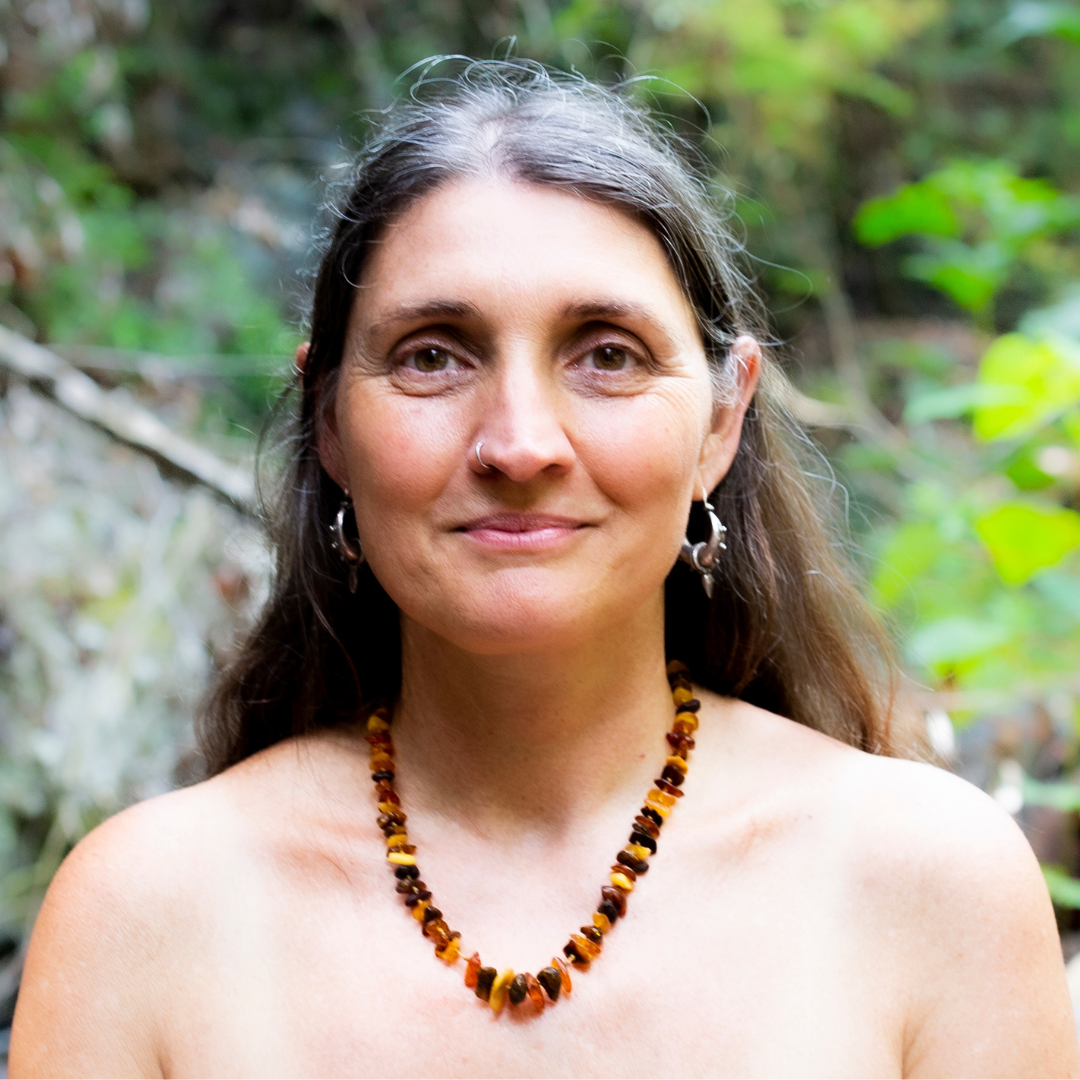
Julia Jones sits down with Tara Yewdall to hear the inspiring story behind her Sunshine Coast-based breastfeeding support business. They chat about the challenges of rebuilding a career after personal loss while homeschooling and growing a business. Tara shares her heartfelt mission to support depleted breastfeeding mums with practical nutrition and local community care, and her vision of creating a nurturing hub where new mothers can feel truly nourished and seen.
Listen now
About Tara
Tara is a mum of five beautiful beings. She had her first baby at 19 and her fifth at 41. Through each postpartum, Tara learned—often the hard way—what it really means to care for ourselves as mothers. She experienced depletion, a period of depression, and digestive/gut issues. With her personal experiences, along with completing the Newborn Mothers Training and Postpartum Nutrition Training, Tara now supports mothers by providing tools and a plan to deeply nourish their postpartum bodies through the right whole foods that support healing and recovery—so they can enjoy their breastfeeding journey while maintaining their energy.
Reach out to Tara here: https://postpartumnurturing.com.au/
We explore the following questions:
What inspired you to start supporting mums through breastfeeding and postpartum care?
How did your personal journey as a mother of five influence your approach to postpartum support?
How did your early experiences with homebirth and mum’s groups shape your path into this work?
What led you to transition from yoga teaching and life coaching into breastfeeding support?
Can you share how your breastfeeding challenges, like mastitis and low supply, informed your work today?
Why do you feel one-on-one and local community support is so important for mums?
What impact did the loss of your son have on your journey, and how did you find your way back to this work?
How have you balanced homeschooling, grief, and running a business that supports mothers?
What are the benefits of combining breastfeeding and nutrition in your postpartum offerings?
What has your journey taught you about sustainability — in energy, earnings, and emotional wellbeing — as a postpartum professional?
Why did you return to supporting mums locally, and how has that shifted your confidence and impact?
What’s your vision for a community hub supporting mums — and how would it fill the current gaps in care?
How do you help breastfeeding mums feel deeply nourished, especially when they're doubting themselves?
Why is it so important that mothers are supported to nourish themselves, not just their babies?
If you love this podcast please subscribe leave a 5-star rating and review wherever you listen!
Transcript
Julia Jones:
All right. Hello and welcome to Newborn Mothers podcast. Today we're interviewing one of our graduates. Tara is a mother of five. She had her first baby at 19 and her fifth baby at 41. So what a breadth of mothering experiences you've had. And I know that you became really passionate about supporting moms, and you studied our breastfeeding course here at Newborn Mothers when that was a separate course. Now, the breastfeeding course is part of our one bigger postpartum training. And I'd love to know, that was back in 2021, so it's been four years or so, and I'd love to just check in and see how things are going for you. How are you, Tara?
Tara Yewdall:
Yes, thanks, Julia. I'm going really well and feel really honoured that we are having this chat today. So, it's been quite a journey for me as you know, where would you like me to start?
Julia Jones:
Let's start at the beginning. What made you want to study breastfeeding and what made you want to start supporting mums as a career?
Tara Yewdall:
I could start back when I had my third baby. And he was my first home birth, and that was in 2003. And my whole world sort of opened up to women who were home birthing and doing lots of different things. And from there, after he was born, I took on a home birthing mother's group. And so from that moment, I pretty much started to be facilitating different groups. I moved town and then I started another mum's group, and then I moved town again, and then, and there was another mum's group. And so I was always being a mum myself around other mums with like-minded interests and things like that. And so breastfeeding was always something we were always doing as mums sitting around with our babies.
And then later I went into yoga teaching and then into life coaching. And even with the life coaching, I still wanted to help moms. I wanted to help mums thrive and be the best that they could be for their family, because I really see that mums have such a significant role in how the family operates most of the time. And so when I was feeling a little bit lost about the whole way to go with my life coaching, I found your course and I was so lit up because I've breastfed all five of my babies. And I saw that it was just such a beautiful way to help mums and I can't even pinpoint what made me specifically want to do it. I let myself be led that way. So I was so lit up about it and jumped straight in and started doing that. And then I was like, okay, this is what I want to do. I want to help mums with breastfeeding. And from there I learnt about postpartum nutrition and then everything just started to what I learned through the breastfeeding training and through the nutrition. I started to piece together all the things that had happened to me throughout my journey of the five babies that I'd had, you know, my mastitis and when I felt like I had low milk supply and just learning the myths and the truths around it all in what you taught. I thought more mums need to know about this. And especially when I learned that one in three, only one in three mummas, you know, really get to experience their breastfeeding journey, how they want it to be. I was really shocked about that. And so that's where it took me into that direction of like, I need to help more mums experience this journey that they so want to have, but are struggling to have a great experience with.
Julia Jones:
I love that it's so common that we're motivated by our own experiences, but yours is even a bit more broad than that. I love that you were just literally sitting in circles with mums and breastfeeding together and then that you kind of think, we need to be doing more of this.
Tara Yewdall:
You know what, actually there was a time when I had a friend who was experiencing really bad mastitis, and she'd had it about three times and she was ready to give up. And this is going back quite a few years now. So Noah is the third born and he's about to turn 22. So this is probably around that time. I was at a women's camp and I breastfed her baby because she was ready to give it all up. And I was engorged because, my baby would've been 18 months old, but I still was quite engorged. I went away for the night and she said, look, here, put my baby to your breast so you can relieve the engorgement. And that sparked something in her and she's like, you know what? I'm not going to give up. I just saw you feeding so naturally I'm going to keep on going. And it was just a really lovely moment there too that I was able to help her. It also helped me.
Julia Jones:
And doesn't it show you that if we kind of normalise breastfeeding more and it was a more sort of public acceptable common thing to do, it would, it's really like a positive spiral, isn't it? So what made you decide to do it as a career? You'd been a stay at home mum for a long time.
Tara Yewdall:
Yeah, definitely. I've been at home pretty much since I had my second baby, which was in 2000. My husband and I made the decision for me to stay home, but I never was idle, you know, not that a mum's ever idle, but I was always like wanting to do things like, I started to do the yoga teacher training and then I was doing yoga classes when my husband was home. And then I did sprouting stalls, like teaching people how to sprout and did markets on the weekends. And so I was always sort of doing things, but they were all more like hobbies. And then sort of coming to that time we'd moved to our new town and by then I had my fifth baby and he was already three, going into kindy. And I thought, okay, it's time for me to really explore what I want to do and contribute. I really wanted to contribute financially. And I saw that my husband has just worked. So, he’s done most of the contribution and my things while they were great, were more hobby and pocket money, and I really wanted to have something for myself that I can contribute financially and feel of service in the world in a really big way as well.
Julia Jones:
Yeah. I love that. So you graduated from the breastfeeding course, I know you did some nutrition training as well. What were the sort of the next steps with starting a business?
Tara Yewdall:
So it's kind of been quite a journey. I think I really did stay stuck in that I need to learn more, I need to learn more for a while. But in between that I was still quite a little bit unsure of the breastfeeding training after doing that, of how I would go about it. I was sort of starting to delve into your training around how to set up a business and things like that, which I found so valuable. But then we had a major tragedy, which, you know, you are aware of because it happened right towards the end of my breastfeeding training. And we lost one of our children. It was my second baby and my husband and I, our first baby, he was 21.
And so that really plummeted things for me. I sort of lost direction for quite a while, as you could probably imagine, even though I still tried to soldier on, in the way of—not really soldier on, that's probably not the right word, distract myself, maybe? Or I still wanted to try and throw myself into an area where I wasn't just sitting in a corner and letting grief consume me. So I still wanted to be able to do things and be out in the world and pursuing this work so that I was, I guess it was like filling a void at the same time, but knew that I just couldn't let everything just go, you know? So that was, that did put a quite a hold on things there.
So really only in the last sort of six to 12 months, I really started finding my feet again. And then from there I thought, right, I'm going online, you know, I'm homeschooling our youngest I'm going to do it all online, and that way I can be home with him, I can reach far more women. And not really knowing how that would work. You know, like for me, breastfeeding support is nicer when it's one-on-one in person. And then of course I was bringing the nutrition side of it in, into it as well. But you know, it's only just been recently that I starting to sort of like, I went and spoke at a playgroup locally on Friday and talking and connecting with more mums every Thursday over at a local cafe with a doula. And it's like, I need to start local again. I need to bring it back to, to getting to know the mums locally in our area and reach this community. So it's kind of like, done this full circle of being more confident in myself as well with speaking with people. And so locally is where I'm starting, and then I can still reach out to the global community, but it's the mamas here that need the help too.
Julia Jones:
Yeah. And I think it's a common feeling. I know that a lot of women start online businesses because of that need for the flexibility. But it takes actually a bit longer to build up an audience online. And you need to reach a lot more people online to get just a few clients because of that, the less sort of trust and proximity and connection, you know, it's a bit harder and it takes a bit longer to build that up. I still recommend it. I obviously run an online business and I love it.
Tara Yewdall:
Well, you know what, I think the difference is like being able to do the face-to-face and really communicate with people in real time is far different to just doing posts where, you know, just doing like you know, photographs or maybe alive here and there, like people, it's like really getting to know people even if it is online. It's like having that relationship and that connection.
Julia Jones:
And then you develop your skills a lot too. So when you have the connection and the relationship, it's also easier to sell. So you don't need to reach, like, you know, online, you might need to reach thousands of people, but in your local area you could re reach dozens of people and still have a thriving business and plenty of clients. So that's kind of quicker, but it's also more satisfying because you're actually out there chatting to people not going like, oh, how do I do the latest algorithm? Data, blah, blah. But you actually get to straight away help people with breastfeeding. Which also then develops your skills too. So it doesn't mean you won't go back to an online business, but I can see why that's kind of in the end where you've kind of come back to starting again.
Tara Yewdall:
I'm offering both really. It's more that now I can see that there is more benefit to putting myself out there locally. I had a mum reach out to me a couple of weeks ago and she's been in my Facebook community for a while and I even have had a chat with her on the phone some time ago when she was still pregnant. And I was really honoured that she reached out to me and just needed some of that guidance, you know, with an issue that was going on for her. And that's, I think was the catalyst for just realising that I'll make it work somehow. I'm homeschooling. He's 12 and a half now, my youngest. And he can either come with me and do something or, you know, maybe my husband can be home with him, but I'm going to make it work more so that I can definitely be more available for the mums locally.
Julia Jones:
Yeah. And it's quite flexible too. If you're a breastfeeding mom, you don't often mind doing a session in the evening or on the weekend or, you know, it might even be that you end up doing it over the phone. But meeting people locally, it is very satisfying. You learn a lot and you have that kind of stronger sense of sort of rewarding connection straight away. Which you also can get with an online business. I feel very connected to you and my other students, but it does take longer to kind of build that up.
Tara Yewdall:
I think the more you connect online, face-to-face, like on Zoom or something like that. Obviously that builds up the relationship a lot quicker.
Julia Jones:
Yes. So, okay, so you had that big setback, you took a while to try lots of things, but one thing I'm always been quite impressed with you is you haven't been afraid to just try things out. You've tried lots of different things. And I guess my next question to you is how did you know which ones you wanted to keep focusing on and how did you know which ones you were like, ah, that's actually not what I want to do, or that actually didn't work?
Tara Yewdall:
I think that's just been a little bit like up and down, to be honest. It's like, one minute I want to focus on the breastfeeding, and then I start to doubt myself. And then I like, no, I don't want to do that. I want to just focus on nutrition. And it's been that journey for me. And then like I said, it wasn't until recently I realised, no, I am going to bring these two together. Because so many mums are feeling, you know, drained and depleted. They're worried about their breast milk supply. And there's such a gap in postpartum care as you know, and even just the education. You know, I think just seeing even on Facebook groups, how many mums are struggling with breastfeeding and they feel like they haven't gotten the milk supply or they're being told advice from birth support workers who have had no training in breastfeeding, and they're giving them really old fashioned advice. And so that makes me want to like, yell from the rooftops, and even further my knowledge in that area so that I can truly be of service and help mums to succeed.
Julia Jones:
I love that. I know that was such an important part of my journey. I would've loved to be more supported to breastfeed with, specifically with nutrition. I found it hard to keep up with the number of calories I'd needed to eat every day. Particularly if you want to sort of avoid reaching for packet food all the time. Like sometimes that's the only option. But wouldn't it be so much better to have you know, better quality food? You just need to eat so much of it.
Tara Yewdall:
Yeah. And when you've got that nourishing, easy to digest foods, then ultimately you are nourishing yourself in order to be nourishing your baby. And so I think we put so much focus on just nourishing the baby, but it has to come from nourishing yourself first.
Julia Jones:
Yes, exactly. And that's why so many people end up feeling so depleted, you know, after years of breastfeeding.
Tara Yewdall:
And we want more mums looking after themselves, don't we, Julia? It's like why are we such tough nuts, why do we want to look after everyone else?
Julia Jones:
So tell me a little bit about what your bigger vision is. Like where do you picture yourself in 10 years? What kind of impact do you want to have?
Tara Yewdall:
Oh, this is a big vision, Julia. So I would love to be creating a hub if I call it that, like a space where it's actually a physical space where mums can at any stage come to this beautiful space. Where we've got lactation consultants, we've got pelvic floor therapists, we've got nutrition consultants like myself with specifically for postpartum needs and a postpartum body. And the mum is coming to be nourished and also learn how to nourish herself. She can grab a nourishing meal. She can take some meals away. She's getting the best breastfeeding support and advice from certified lactation consultants and looking after her body in the best way so that she can be, you know, have the energy and the means to be the mum that she really wants to be. So that's my big vision.
Julia Jones:
I can picture a little cafe as well, selling all beautiful postpartum and toddler foods and maybe a little yoga studio so people can do some classes. You could have mum's groups.
Tara Yewdall:
Absolutely. It's just going to expand. I think there's just no limits really. There's just so much we can do with that. So that is my bigger vision.
Julia Jones:
You know, you reminded me when you were—first of all, I loved how quick that was. Sometimes when I ask people that question, they're either a little bit shy or they're not quite sure, but you were just like, oh, I know.
Tara Yewdall:
Yeah.
Julia Jones:
But the thing it also made me think about is do they've just put huge amounts of funding, the federal government into the new endometriosis and pelvic pain clinics. And I was like, that's not that different of an idea, is it? To have a postpartum care clinic, like in every kind of city or regional centre Australia. And you could bring together all of those people, the physios, the lactation consultants and nutritionists, the doulas and midwives, definitely the health nurse and so on. And the GP. So you could get referrals, you could have psychologists. So just having kind of like a one-stop shop would be so much better. And you could host the playgroups there.
And you know, because we sort of already have this child health nurse network, but it is underfunded and it's not a multi-care collaboration kind of initiative, which is what I love about your idea.
Tara Yewdall:
Well, there's just so many here too at the Sunshine Coast where I am, so many practitioners. And when you think about it, how many mums either have their baby or they come home from hospital, but then if there's something comes up for them like a breastfeeding issue, they don't know who to turn to. They do not know who to ask. And so there's a real lack of networking as well. So this one big hub would just be like, you've got everything there. A mum will know, oh, I know where exactly to go. They come in the front door and they go, I'm having this. Oh, great. And we can direct her to the perfect person.
Julia Jones:
Absolutely. Because sometimes someone thinks they have a breastfeeding problem and it's actually a sleep problem, or they think they have a sleep problem and it's actually a mental health problem. And how’s a mum's supposed to know which person they're supposed to see. So you could kind of triage all of that and make sure people, which is the same as the goal of the endometriosis clinics, is to get faster diagnosis and access to treatment. And that's exactly what happens in postpartum. Women's health is always, you know, no one's sure. It's hard to know where to go. Diagnosis is delayed, treatment is hard to find, you know, so I love it.
Tara Yewdall:
Yeah. Thanks.
Julia Jones:
I love it. So where can people find you, your website? Postpartum nurturing.com.au. I know you're about to zuzh it up, so it might even be zuzhed by the time this podcast is ready.
Tara Yewdall:
Yeah. Hopefully it will be. I am also on Instagram as well, and that is postpartum_nurturing. And Facebook as well. But it's more like, I have a Facebook group, so the little private Facebook group that I have is just another area where I share lots of tips. I'll jump on every now and again and do little lives and just have lots of information there for mamas to be able to work through their journey in a really nourished way.
Julia Jones:
And can you give me your elevator pitch? Because you told me before we started recording.
Tara Yewdall:
So basically in a nutshell, I work with breastfeeding mums who are feeling drained and who are even doubting their milk supply. And I help them replenish their energy and to feel confident with their breastfeeding journey and to be deeply nourished through this entire experience.
Julia Jones:
I love it. Mm-Hmm. That deeply nourished. I can feel it. That's not how I felt with my first breastfeeding experience.
Tara Yewdall:
No, I know. I hear it so much. And I think that's a saying, you know, every mum the first time around, we don’t know what we don't know. And then subsequent times it's like, aha…
Julia Jones:
I tell all my students this, so I'm sure you've heard me say it before, but one of my favourite affirmations for mums in postpartum especially is I am enough. And that was because of my feeling of when I was breastfeeding my first, and it just felt like I wasn't enough. Like literally, physically, I felt like I was fading. I was disappearing, you know? I think so many mums feel like that. Am I invisible? Is anyone noticing me? So that feeling of being deeply nourished, it's so important.
Tara Yewdall:
Yeah. It absolutely is.
Julia Jones:
Thank you so much, Tara. It's been so lovely to chat about postpartum nurturing. And we'll leave the link in the show notes.
Tara Yewdall:
You're welcome, Julia. It's been great fun.
