
The Power Of Women
Interview with Claudia Spahr
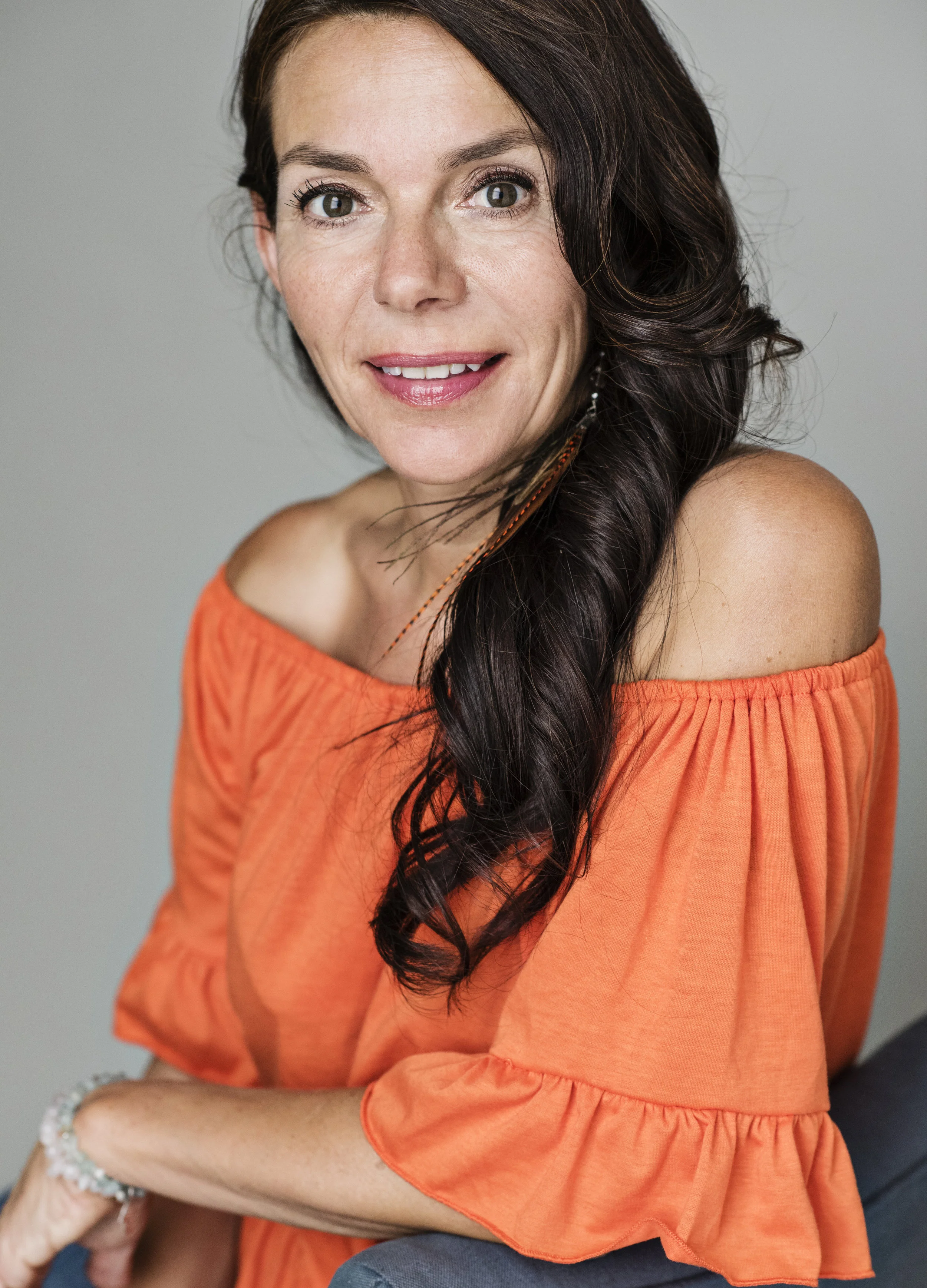
I had a great chat with Claudia about running luxurious retreats for mothers in Bali, Spain and Morocco. We spoke about the logistics of running retreats, the power of women coming together in circles and how mothers can take this feeling of connection home to their everyday lives.
Listen Now
About Claudia
Claudia Spahr is the founder of HolyMama. She is also a published Hay House author, journalist, speaker, integrative health consultant, yoga retreat leader and mother of three. She is passionate about empowering women to feel more in control of their health and well-being. Claudia conceived all three of her children naturally after 40 and believes diet, belief and mindset play a huge role in getting pregnant. She hosts retreats for mothers and their babies and children in Ibiza, Bali, Morocco and Goa. She also trains retreat leaders to start up their own holistic business catering to mothers.
Reach out to Claudia here: http://www.holymama.info/
We explore the following questions:
What inspired you to create retreats specifically for mothers and their children?
How do retreats work when children are present, especially when retreats are usually associated with rest and quiet?
What kind of experience do both mothers and children have during these retreats?
Why is it important for mothers to have time for themselves while still bringing their children along?
How does the retreat environment support bonding between mother and child?
Do you need a specific qualification or background to run a retreat?
How did your journey evolve from organising retreats to training other women?
What are the biggest mindset blocks that stop women from starting something like this?
What are some of the main challenges when running a retreat, especially in the beginning?
How can someone attract participants and successfully fill their retreat?
If you love this podcast please subscribe leave a 5-star rating and review wherever you listen!
Transcript
Julia Jones:
Hello and welcome to Newborn Mothers Podcast. And today we're interviewing, uh, Claudia, who, well, it sounds like you're sort of a global citizen, but based in Spain and grew up in England. Um, but what really fascinated me is your, the retreats you run, the Holy Mama retreats, and you have some absolutely gorgeous videos on your website. Anytime I watch them, I just think, "Oh, that's exactly what all new mums need." Um, so I invited you on today to give us some tips on how to run retreats for mums.
Julia Jones:
So do you wanna introduce yourself, Claudia?
Claudia Spahr:
Yeah, thank you. Thanks, Julia, for having me on. So yeah, I do these retreats, which, uh, sometimes you could say it's a little bit of an oxymoron to do a retreat with children present because it kind of, you know, people go away to relax and have silence generally on a retreat. And it's actually the time when women need it the most because you've just had a baby, you've been through a massive transformation in your life and then you, you think, "Oh, I wanna go away and I have a lot of single mums as well." And then all the doors are closed. All the retreat doors are closed because who wants kids on retreats? So these are specifically for women and children. And we also have some papa welcome weeks so that those who don't wanna really travel without a partner can bring him along. Um, so yeah, so it's, it's actually spreading around the globe now.
Claudia Spahr:
I'm, I'm training other women to do it because I just see this massive need and not enough people doing it.
Julia Jones:
Yeah, I completely agree. And, and I think having children there is essential because then you take it home and you can live it and integrate it into your real life. It's not like something that you dream of like going off to a, you know, a tropical island, but then you have to crash back to reality because if you take your kids, it kind of is actually helps you to figure out how to integrate those two parts of your life.
Claudia Spahr:
Exactly. Exactly. And of course, some of the women, they come with really small babies, so they wouldn't, you know, be able to leave their baby at home. They're still breastfeeding. And part of the experience is coming away with your child because when the children really enjoy it too, especially we have like a, the mornings are really dedicated for the mums to have some me time. So we have a whole team of childcares to look after the children. And especially the ones from about age, I'd say even the babies actually enjoy each other's company, but especially at the two, three year olds, they have a whole activity, you know, you know, schedule and they, they really enjoy being in nature. And the idea is as well that as a mother you come and you have some bonding time with your child. So that's usually in the afternoons.
Claudia Spahr:
And sometimes women come with their second child and they leave their first at home with, you know, with the grandparent or the other parent and that gives them an opportunity to really have that special bonding time with, you know, the second child that's often the one that's kind of not, not, doesn't have quite as much attention as the first did.
Julia Jones:
Yes, I love that. And, and often being in that peaceful and relaxing environment can really transform relationships. I know when my first daughter was a baby, we went to mums and bubs yoga and she was very, very fussy baby. She cried a lot and, you know, just did, didn't settle easily. And I, at this mums and bubs yoga type, uh, class, the teacher said, "All right, now you're just all gonna lie on your back and, um, and lie the baby down on your chest and we're all gonna do a, a relaxation." And I was like, "Yeah, right. That's never gonna work." You know, my baby doesn't just lie down and be quiet. But sure enough, when she was in that room, you know, with that soothing music and the nice smells and the energy of everyone relaxing and the dark and everything, and she actually fell asleep for the very first time without being, you know, rocked and pattered and shushed and held and all of that kind of stuff.
Julia Jones:
She just lay on my chest and, and relaxed. And, you know, so I think it's actually really important to share those peaceful moments with your baby, um, because day-to-day life is, is hectic.
Claudia Spahr:
Mm, absolutely. Yeah, I mean, we, we create a very intentional space on the retreats. We call it, uh, The Love Field, which is a term I actually borrowed from Barbara Mox Hubbard. Yeah, I didn't invent that, but it really is to create this environment where everyone is fully supported, the team are all completely in alignment. Uh, it's, uh, generally it's an all female environment, you know, unless the weeks, um, when the dads come. And you, you literally do feel it when you get there and we start with a, with a big women's circle or a opening circle where we introduce everyone and then we have obs- you know, like you say, music, sound, um, the children there, you know, even the babies, they just, they really, it really resonates for them. And I think in a way, it's a kind of remembering to what, you know, what we've actually come from because it's a more tribal, community based form of living, which, you know, it's only very recent that we've become so isolated in our homes and separate from each other.
Claudia Spahr:
So this actually feels really natural once people kind of get over their initial, um, you know, some people do come with, "Oh gosh, what's it gonna be like? Am I only gonna like the other people? " And it's always, so we really intentionally create that, that atmosphere of being in this, what, you know, what we call the love field.
Julia Jones:
Mm, I love that. I love that. And your background, uh, you, were you a yoga teacher?
Claudia Spahr:
I am not a yoga teacher. So one of the reasons why I decided to do the training as well is to show women that really you don't have to have any particular background to lead retreats. Oh, yes.
Julia Jones:
And you definitely don't.I love that.
Claudia Spahr:
Yeah. I mean, I love, I love yoga. I've been doing yoga for, gosh, uh, 25 years or so, but I never felt inclined to do a teacher training, although I know it's, it's a very enriching experience, but I just, you know, I'm really the organiser. And I started off just organising retreats and the more I did it, the more I moved into a more, uh, into more of a leadership role in terms of space holding and providing support rather than all the organisational bits. So I've gone through this massive, you know, journey over the last decade of what all the pieces that are involved in running retreats, which is why I came to a point where I thought, you know what, I'm gonna share this experience and share all the mistakes I've made so that people don't have to start from zero. And because this is something that, you know, my bigger vision is this should really be the new normal, um, I, I really wanna share this rather than go, "Oh, this is my business and, um, in this old mindset of competition." It's really not about that.
Claudia Spahr:
Um, in Australia, for example, there's really nobody doing this. So, um, you know, there's plenty, plenty, plenty of space in the market for a lot of retreats like this.
Julia Jones:
Oh, yes, there definitely is. And I agree there's no one doing it because I know that myself and a lot of people I know have looked for something like this and it's just very hard to find. Um, and I, I just have to mention a few things that you've said there that I really love. And one of them is that you don't have to have any particular qualification. And I think this is a really big, um, block that a lot of women have that stops them from starting their own business or creating their dream life. They feel like they're not good enough and they're not qualified. And, you know, in reality, we're all enough just exactly as where are, we are, and we'll all just start where we're at and learn as we go. So, you know, I love that you did just start and now you're really one of the world leaders in this space, you know, but you, you weren't that when you began.
Julia Jones:
You just had to start where you were. Um, so I think that's really powerful. So there'd be a lot of people listening thinking, "Oh, but I don't know anything about meditation or I can't cook, you know, special food, you know, why, why should I run a retreat? What's so good about me? " It's like, well, I think if you feel really called to this work, then, then that's what's so special about you. You just do it.
Claudia Spahr:
Yeah, absolutely. I mean, it really is, uh, the, the calling is a part of what motivates you. And, you know, we, we're kind of brought up with this conditioning that, like you said, not being good enough and also this perfectionism that everyone is, you know, striving for, I think through education and it's just a sort of Western mindset that's so wrong because when we're, um, striving for perfectionism, we actually stop doing things. It's kind of, it stops us from experimenting. It, it stops us from even picking up things in the first place. So like the entrepreneurial, I guess, spirit is to just do it, just start before you're ready. And I think the Chinese, it's very interesting observing the Chinese, they have this expression and, and don't ask me to say it because I don't speak Chinese, but it's basically all that'll do. So they just get on with things.
Claudia Spahr:
They just kind of do it. And, and you learn as you're doing. Like I said, I, I expanded as I, you know, in my role as I, as I, over the years and the very first mama retreat I did, um, which was when I was pregnant with my daughter who's going to be six this year, I was literally in the kitchen doing the dishes and it was for a group of, uh, my sister's friends, there were six women and we had a wonderful week. And even though I'd done retreats before, this was the first time I did it with kids. And it was, it really is something that you, you just, you, you start with what you've got and you grow and, you know, you bring your own skillset into it. You know, some people are more, are better at marketing, others, especially if you have a doula background, perfect, perfect for this kind of work.
Claudia Spahr:
Then, you know, you, you, everyone will also bring their uniqueness, which is why, what I was saying before about the competition, every retreat will have a different flavour because we all bring then our own uniqueness into it.
Julia Jones:
Absolutely. There's a really, uh, great Australian book called, I think it's called New Power, but it's by the guy who started Get Up, but, um, and it's exactly about that, how old power was very top down and it was, you know, it was like something where you collected all this power or money or whatever it was and you held it and it was yours. Whereas new power is like the Me Too movement is, is the equivalent where it's actually like anyone can have a voice, anyone can participate and there is no competition. It's much more about, you know, let's make this change together. So I agree, the more people running these retreats, the more likely this is going to impact our daily lives and the choices we make, you know, about where we live and the kinds of homes we have and, and the connection we have with our family and neighbours and, you know, ultimately we can create a better everyday life, not just for the retreat, but, but for always and for everyone.
Claudia Spahr:
Yeah. Yeah. I mean, I think what we really are lacking is community and so sometimes when women come on these retreats, especially I see it a lot with, uh, single mums or women who have been very busy in their careers and then they have a baby and everything changes, is that they get a taste of what it actually is like to be in a more supportive community environment and they go back transformed and I've seen them, you know, they go back and they start up Facebook groups for single mums in their city where they then exchange babysitting and so it really is like planting a seed and you go back and you take, you know, these, because it's an experience and that's another way why we, how we learn. It's, it's, it's different having an experience and reading it in a book because it's like you absorb it on a cellular level and it goes into your memory and it's like eating healthy food.
Claudia Spahr:
You know, someone can tell you've got to eat healthy food, you've got to eat, but healthy food, but until you actually feel how it does something inside your body, why would you do it?
Julia Jones:
I love it. And then they can take that home because it, it is inside them. It's not outside them anymore. Um, so we're all sold on the benefits. I think everyone listening is ready to sign up. So how, how do you actually run a retreat and what are maybe some of the biggest mistakes people make when they're looking at running a retreat?
Claudia Spahr:
Interesting question because, you know, I, I do take this approach that you can't really make mistakes because you, I mean, mistakes are here for us to learn, but I guess the challenges are when you start running retreats is filling them or getting bums on seats, as I call it. So it's, it's this thing of planning it far ahead enough in advance or having a local network to par- to tap into. So for example, a doula would be, um, would be in an ideal position because they would already have a client base or they would be in, you know, maybe communi- communities or groups where they have access to new mums and then you just have to kind of go about putting it out there and then the challenge with that as well, of course, for many is, but can I do this? Am I good enough?
Claudia Spahr:
Will people wanna come? And you know what? Everybody has that. Even if you've been doing it for six years, that's just part of the path of running your own business and, you know, you, you will question yourself and it's like this thing of feeling the fear and, and doing it. And, and, and then, you know, there's little details like getting the costing to work, but that's, that's all, that's why I've done the training. So you really have this spreadsheets and there's, you know, there are little tricks there where you, um, you know, where you can work out what you need to charge so that you can actually make money. Um, so yeah, so it's, um, I really would say that, like in the training, I sort of take people by the hand and walk them through it so that, um, there's, there's also a lot of personal development work because when I was writing the course, I realised that actually to lead retreats, the more you are doing your inner work, the more you're able to provide the transformative experience for others.
Claudia Spahr:
So that's kind of an extra layer to the training, which actually those who have done it find really valuable.
Julia Jones:
Yes. Oh, I think your work just fits so well with my work in, in exactly that same way because, you know, I always say it's so similar to what you've said, but you, you know, you could look up the strategy on Google, you know, like that's actually not the hard thing. So although it's really useful to have that, what really makes you implement the strategy, what makes you actually take action and overcome your money blocks and your fear of visibility and your imposter syndrome and all of that is that personal development work and, and knowing that you're not alone. Ev- everyone feels it. You know, you and I still feel it and having been in business for many years and having what other people see from the outside as huge success, um, and still we feel sometimes there are some days where we feel like we're not ready or we're not good enough or we're just kind of making it up as we go along.
Claudia Spahr:
Yeah. Yeah. I mean, it's, it's also a little bit like Picasso, you know, if you're an artist, because you're constantly inventing and reinventing and being creative, it's, I think it's part of the creative process, um, because otherwise you'd be a megalomaniac if you, you know, always thought you were doing the right thing. So yeah, it's, and like you said, it's, it's doing, learning, you know, being in, in a community of others who are doing the same thing as you, which I know that you do from your work. So when you're training, you have other doulas who are also in training because questions come up that others will have. So the actual learning in the, the group is so beneficial because you, you learn so much from others.
Julia Jones:
Yes, exactly. I just did a group Q&A call this morning and one of the women said, "Oh, I have some, a bit of a silly question, you know, I'm sorry to bother with you with it, but, but here it is. " And she asked the question and then everyone else on the call said, "I'm so glad you asked because I had exactly the same question."And you realise it's not silly. It's actually not silly at all.
Claudia Spahr:
Yeah. Yeah. And, and this, this thing as why you were saying like the imposter syndrome and, you know, this speaking up, uh, I mean, especially with this work, like the, the doula work and, and, and any work I think with women and children, the, we're kind of reclaiming that territory now again because it is, it is, it's sacred work. It really is. And this is why, you know, there's a part of us reclaiming our medicine woman or, or, you know, the, the word witch has been reclaimed because this is something that is so, um, important to human life and it's just kind of been, you know, pushed aside when actually it needs to be honoured. So a lot of us have, have this fear of speaking up because for hundreds of years, thousands of years, you know, we, women have been and men have been, you know, marginalised, tortured.
Claudia Spahr:
I mean, all the kind of, you know, you know, I'm sure you're aware of the history or the story of this and now is really the, in a way, the safest time for us to come out, you know, in the open with this kind of work as women and as men.
Julia Jones:
Yes, absolutely. I agree. I mean, a lot of people have that, that fear of putting themselves out there, which is just really such a deep ancestral thing. And I think we are in such a privileged position, um, you know, that it, we are born in a time where we can, um, reclaim this kind of stuff. And it, and it really is magic and it's necessary, I think, for the changes we need to see in the world. And, you know, I, I always think it's so, so many of the things that you've said are related to really having a bit more balance between the feminine and masculine. And I, and I really feel that's going to heal so many things. Like, you know, our relationships with indigenous people and the environment and, you know, so many other aspects of life that are really not going well at the moment.
Claudia Spahr:
Yeah. What can I say to that? I hoe I mean, it's, it's definitely, I'm completely on that, on, on that with you. In fact, the theme for all the retreats this year is union and it's all about the balance between masculine and feminine and having, finding that within ourselves as well. And I'm a massive, massive believer in bringing back the wisdom keepers. And I know obviously in Australia you have that like in the earth and I know there's a whole movement there and circle is becoming, it's quite popular in Australia again because it's like in the land there and, you know,
Julia Jones:
We,
Claudia Spahr:
We need to, we really need to bring this back and bring these, uh, these, you know, all these, the, these mistakes we've made and this colonial approach of, you know, we're the only ones who know have comp- you know, and marginalised all this wisdom that has been passed down through the ages.
Julia Jones:
Absolutely. You know, there's a- There's so much scope. Oh, there's so much scope and it might sound a bit fluffy sometimes, but really when you look at it, it's not, it's so powerful and it's so deep. And I was speaking to a, a local nunga, uh, elder where I live in Aboriginal, uh, elder, and he was saying that when colonisation happened, they sang the spirit down into the earth and he said it wasn't safe, you know, and so he said when the time is right, they'll sing spirit back up. And, um, I just thought that was so beautiful and so powerful. Um, and this is all related to all of this work, I think. So, oh, amazing. I mean, goosebumps just talking to you about the possibilities, you know, the way that we can change the world together, because you do this literally all over the world in many different languages, is that right?
Claudia Spahr:
Yes. Uh, I mean, we, we have four main locations where we do the retreats. So the, the kind of the, the biggest block of them, I usually do about nine, 10 weeks a year in Ibiza, those are the biggest retreats. We rent two houses next to each other. So we have quite a big group, so that, that's kind of where we have, you know, the, that's the hub, the mothership. And then we do a retreat in Bali each year. We started Goa and then we do a couple of weeks in Morocco because that's very close to Europe and easy for Europeans to, to get to. Um, so yeah, I mean, people do come from all over the world. I've had a lot of Americans, even Australians, because they've kind of looked and not found anything closer to home. So it would be great to have more people doing this in Australia.
Julia Jones:
Yes, I've seen you do some in Bali, I think. Yes.
Claudia Spahr:
Is that right? Yes. We have one, we've got one coming up, um, yeah, at the end of March. Um, I don't know when this airs probably loredy have taken place, but we have them usually once a year in Bali and yeah, the, I mean, Bali obviously is back garden for Australia, so Bali's a wonderful place to do a retreat. It has a lots of centres and, and the right kind of energy because it's this thing as well, Ibitha's also an island with this very transformational kind of supportive energy and a lot of, of healers and light workers and massage therapists and yoga teachers. So you basically can, can use local people. You can work with people who are living there. So you don't have to fly in a whole team, which obviously, you know, brings your costs down.
Julia Jones:
Yeah. Yeah, that's great. So it looks like there's definitely room for a lot more on this side of the world. Um, I have one last question for you. How old, um, are the children that come along at what kind of age do you start and stop bringing your kids along?
Claudia Spahr:
So we don't really have a lower limit. We've, I mean, we've had mothers come with babies as young as, uh, three weeks. In fact, she was a, a frequent flyer coming from Texas all the way to Europe with her three week old. Wow. So, um, yeah, she was quite brave. It wasn't her first child, but still, um, and, I mean, I would say on average, they're kind of six months to three, four years when they start school, and then when it's the school holidays, uh, for example, in May, there's a half term holiday in the UK, so we get a lot of older kids, so maybe seven, 10, 12 years. So we don't, at the moment, we're not catering to sort of a teenager market, although we have a mother-daughter retreat where you bring, bring a grandmother kind of thing. So I think there's loads of scope.
Claudia Spahr:
I mean, gosh, teenagers and that age group and, and the whole challenges.
Julia Jones:
Retreat too, don't they?
Claudia Spahr:
Oh, I mean, that, that would, there's, there's really, that's amazing what you can do then and because that bonding there is so important. There's so much, you know, with new media and technology where kids are quite separate, you know, they, there, there's a lot of challenges that age. So I think, you know, this really is something that should be normal everywhere.
Julia Jones:
Mm-hmm. Yeah, I love it. Do you have anything else you want to add about running retreats or, or, and also give us a wrap up of your work as well?
Claudia Spahr:
Well, you know, I, I think there's scope for so many different versions of this and also what I'm exploring now is to do, have s- I've always done sponsored spaces for those mums who can't afford it. And what I'm try- what I'm now aiming to do is have a whole section where, where we really have retreats for mums who are in need who are coming out of abusive relationships or even, you know, the bigger vision is like going into, you know, pretty much war zones and having women and children and, and also men just reconnect with their own ... It was really, it's like an inner strength you get. It's a, it's a very subtle thing that happens, but so powerful. It just really, it, it, it, it's a tool that you can then use in your life. And because we're living in these times that are so challenging, then, then, um, then yeah, they're, they're more needed than ever.
Claudia Spahr:
And I'm also doing, um, an online sort of home retreat programme so that you can, you can use retreat techniques at home without having to spend loads of time or loads of money- mm-hm. Because my thing is always, you know, I don't want to just have this for people who are, you know, can have already the funds. I, I really think it, this is something for everyone. It should be accessible to everyone.
Julia Jones:
Yes. Yeah. I agree. That's great. So if people are interested in learning about retreats, they can go to holymama.info. Is that the best place to find
Claudia Spahr:
You? Yeah. Everything kind of links from that site. So there's, there's a whole section on, uh, certification, the retreat leader training, there are, you know, dropdowns on the different retreats, there's some information about, about me and my work. So yeah, I think that's probably the best place to go to have a sort of sloop around what's, what we have on offer.
Julia Jones:
Oh, that's fabulous. Thank you so much. That's been so amazing to talk to you and really inspiring, um, for me. I've always, you know, I've run a few day retreats, um, not really overnight retreats in the past, but, you know, I can definitely see how having these skills would give people a lot more confidence to run something really beautiful, but also profitable, profitable as well, because, um, you know, it's really important that this is sustainable, uh, work too.
Claudia Spahr:
Yeah, exactly, exactly. I mean, otherwise, you know, at the end of the day, we're still living in a, we're living in a world where, yeah, we have money and we need to be able to make money to survive. So, you know, it's, especially in the holistic business, there's this thing of, of giving and being of service and not charging enough for your work, but then you're not being of service to anyone because you're gonna have to go and do something else to subsidise your fun work. So, you know, the, the important thing is that we can really embody this and make it do it in a very grounded way. I'm all about being practical and grounded and getting stuff done.
Julia Jones:
I love it. Thank you so much. We'll, um, we'll pop the links up in the show notes so if people want to learn more about your retreats either as a participant or your courses about learning to be a retreat leader, they can do that. Um, or even, I recommend everyone just goes and watches the beautiful videos you've got up on your website too, because I think you could feel better just even, just even watching tho- those pretty videos. Giving everyone a taste of, of, um, you know, how they wanna live their lives.
Claudia Spahr:
Well, thank you so much, Julia, for, for having me and for, for creating the space for me be- to be able to talk about this, uh, and also honouring your work deeply, what you're doing for women and babies.
Julia Jones:
Oh, my pleasure. Thank you.
