
Physical Aspects of Matrescence
Interview with Katherine Baquie
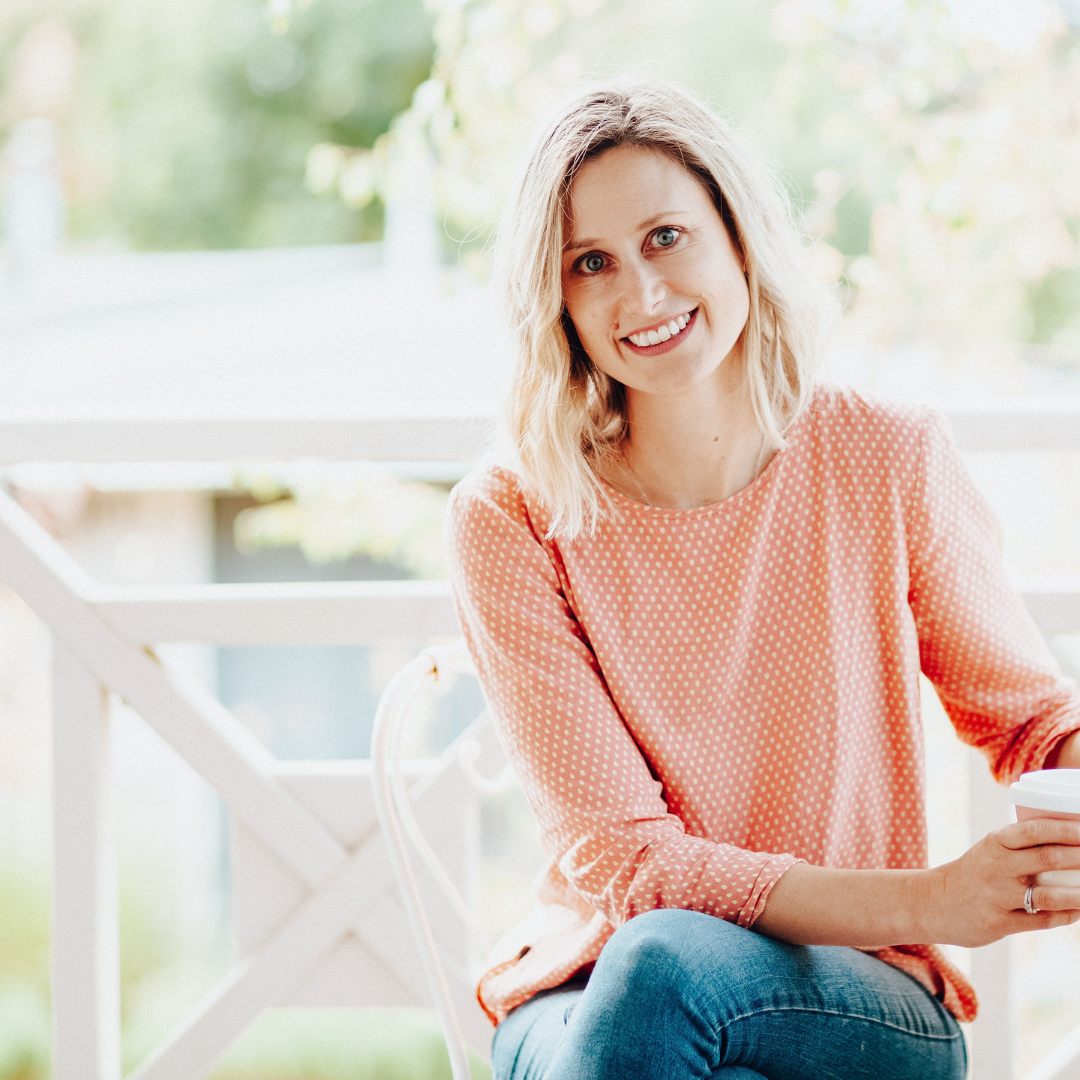
Julia Jones talks with Katherine Baquie about the physical side of matrescence and what really happens in a woman’s body after birth. Katherine shares her experience as a women’s health physio and mum of three, supporting women through recovery, pelvic floor health, and returning to movement. Together, they explore simple, practical ways to help women feel strong, supported, and confident after birth.
Listen Now
About Katherine
Katherine Baquie, is a proud mama of 3, perinatal physiotherapist and podcast host. She has over 16 years of professional experience guiding mamas through their pregnancy fitness journeys and postnatal rehab, and she specialises in pelvic floor rehabilitation. With these credentials, it’s not hard to see why mamas are flocking to Kath for pre and postnatal fitness help!
Reach out to Katherine here: https://www.fitnestmama.com/
We explore the following questions:
What changes happen in a woman’s body during pregnancy and postpartum, and which of these are considered normal?
When should a woman seek support for physical concerns after having a baby?
Is it still beneficial to see a pelvic floor specialist even if there are no obvious symptoms?
How does physical recovery connect with matrescence and changes in identity after becoming a mother?
In what ways can rebuilding physical strength support confidence and mental wellbeing postpartum?
What can happen if pelvic health concerns, such as incontinence, are left unaddressed?
How common are pelvic floor issues after childbirth, and why are they often underreported?
How can women access pelvic floor support and services, particularly within Australia?
What should someone expect during a pelvic floor assessment?
What is the difference between a general physiotherapist and a pelvic floor specialist?
If you love this podcast please subscribe leave a 5-star rating and review wherever you listen!
Transcript
Julia Jones:
Hello and welcome to the Newborn Mothers Podcast. Today we have Katherine Baquie. She is a physiotherapist and, uh, a pelvic floor specialist as well. She has three children and 16 years experience in guiding mums through their pregnancy and postpartum journeys and rehab and, uh, really amazing credentials, a lot of experience. And I know that pelvic floor health is so important. I was just talking to someone on the weekend, actually, and I said I work in postpartum, and she said, "I've just gone through menopause, and I didn't deal with it during postpartum, and it's, uh, you know, it's all come up again now." So Kath, do you wanna add anything to that introduction?
Katherine Baquie:
No, that's it. Thank you, Julia. And I agree. The number of women I see who are, have just, you know, been, they're going through menopause or they've been through menopause and they say, "I wish I had acted upon this sooner. I wish I had, you know, paid attention to my body and how much it changed with pregnancy and postpartum." And that's what's created me to create my programme for, um, pregnant and new mums because I just see there's such a, um, it's really amazing because there is a more of a movement to preventative therapy rather than reactive therapy. In the past, you've always gone to see someone when you've got issues, whereas in so many areas of life now, we're being more preventative and there's just so many exciting things happening, um, and there's so much potential with, yeah, helping our bodies recover after birth before we get to that stage.
Katherine Baquie:
So super excited to talk today. Thank you.
Julia Jones:
Yeah. Thanks for being here. I, I've noticed, and I'm curious if you have too, quite a lot of changes in the kind of past 10 to 15 years. I think when I very first start my business, I wrote a blog post about fanny farts. And it was like massively popular. Um, but people were reading it secretly. I could see the data on my website that people were reading it, but whenever I shared it on Facebook, no one clicked like or left a comment. It was really like shameful.
Katherine Baquie:
Mm. But, you know, you say 10 to 15 years, I've seen a massive change five to 10 years. Yeah. And I really do think like Instagram, it wasn't really around when my, my oldest is nine. I didn't have Instagram when she was nine, I don't think. So, and podcasts is also new. So I, I really do think podcasts and Instagram have been amazing at just helping women be heard, um, whether or not it's individual with issues or whether or not it's healthcare professionals. It's really just helping information become much more readily available.
Julia Jones:
I think so, and it's reducing a lot of the shame and the stigma because, you know, we have democratised the media. We can actually find our voices now and, and tell our stories. I, I completely agree. It's really changing fast. Mm-hmm. So now that we have this opportunity as women to host our own podcasts and that sort of thing- Yeah. ... tell us a little bit about what does happen to the body during pregnancy and postpartum and what changes can women expect and, and what changes are not normal? Like what, you know, when should someone actually get some extra help?
Katherine Baquie:
Okay. We need to dive into that because that's, that's, that's a lot that you
Julia Jones:
Just need to mention this. That's the whole point we started
Katherine Baquie:
Episode. Absolutely. But it's a great question because there are a lot of changes, physical changes, postural changes, hormonal changes, life changes. So I guess coming from a pelvic floor, like physiotherapy perspective, I'll be talking more about the physical changes, but, you know, we, they're also interlinked. We know physical recovery and mental health is really interlinked as well. And we know the beneficial outcomes, physical activity and moving the body has on mental health. So even though I'm gonna be talking about it more from a physical perspective, I think it's really important to know how this does flow onto every facet of life, confidence, mental health, um, you know, feeling good from the inside out, that sort of thing. So when we become pregnant, I guess from a, let's start from a pelvic floor course perspective, because that's my forte. So the, whether or not we have a vaginal birth or a caesarean birth, everything is stretched.
Katherine Baquie:
So our abdominal muscles need to stretch to make way for the beautiful growing baby, um, diastasis recti, which is the abdominal muscle separation is really common and actually normal for all pregnant women. Um, pelvic floor, there's ... Can you imagine, let's think of our pelvic floor muscles. These are the muscles that form the base, like the floor of the pelvis. If we think of them like a trampoline, it's just a whole sheet of muscle and the fascia and connected tissue, all that sort of stuff, um, from the pubic bone at the front to the tailbone at the back. So I know this is a podcast, but I'll try to visualise it as much as possible. So if we can think of a trampoline, how much, um, stretch in that trampoline would happen if there was just one child on the trampoline? It wouldn't be much, would it.
Katherine Baquie:
But if you suddenly got 10 children to climb onto the trampoline, it would be bowing, like stretching down. It would ... Do you know what I mean? It would have that.
Julia Jones:
Yeah, absolutely. Yeah. And, and so regardless of whether you have a vaginal birth or not, that, that's already happening during pregnancy anyway.
Katherine Baquie:
Yeah. And it's not just the baby, it's the extra fluid, the placenta and everything. And so the stats are, there, there is a spike in pelvic floor issues, so we can go into that, but there's a spike around pregnancy and childbirth, and then it plateaus off a bit. So you're more ... So I'm more likely to see women around pregnancy and postpartum with issues of leaking, prolapse. Um, that might be leaking of urine, incontinence, faeces, or flatulence as well, like not being able to hold into wind. Um, and then there's a prolapse concern. So that might be felt as a vaginal bulge or a heaviness sensation or a lump. And then there's a, there's a few others, but are relating to sexual pain and, um, constipation, but there's a spike around pregnancy in childbirth, and then there's a spike around pre and post-menopause. So once we've had ... If we have a vaginal birth, you probably are ... The research shows at the moment you are at increased risk of pelvic health issues post-vaginal birth, but then by the time we reach menopause, it's all sort of flattened out.
Katherine Baquie:
And whether or not you've had a vaginal birth or a caesarean birth, we've all got the same risk as each other, being women. So that's as a result of hormonal changes as well, acting upon all these soft tissue fascia. Um, I like to just so that we sort of understand what happens. Um, if we think about our boobs, for example, in our 20s, they'll be very different compared to ... Well, they might be different compared to af- after we've breastfed three children. Um, and then when we go through menopause, everything's a bit saggier still, perhaps. And, you know, our wrinkles and our, our eyes, everything's just our connected tissue does become a bit stretchy and it loses that almost elasticity as we get older. And that's just normal. And that's why, I guess, women, that's one reason why women are more predisposed to these issues compared to our male counterparts.
Katherine Baquie:
And also, our pelvis is just physically wider, so there's a larger surface area. So there's a few reason why, few reasons why women are more at risk than males, but it's not to say men don't have issues. There's still pelvic health. Um, it's still an, men's health is still an area too, which we shouldn't forget about. It's not my area of expertise though.
Julia Jones:
Yeah, yeah. Right. So, so if someone's listening to this and they've had a baby, i- if they're feeling really good, is it still worth seeing a, a pelvic floor specialist or should they only see one if they've got some incontinence or that dragging feeling?
Katherine Baquie:
Yeah. Brilliant question. So I have got ... This is, this is the way I, I sug- I recommend it. And there's no right or wrong. You've gotta do what's right for you, your life, you know, some people live rurally or regionally, some people don't have like the finances. There's lots of reasons, or some people just might not want to get a internal vaginal examination. So there's lots of reasons why you may or may not have a pelvic floor examination, but I would say gold standard would be if you're able to, and if you'd like to, then have a pelvic floor physio assessment about six weeks or whenever you come up for a breath of fresh air after you've had a baby. Um, that might be a pelvic floor assessment, it might be abdominals assessment, just a postnatal check to help you reach your goals. You know, you can talk about what you wanna get back to doing and how to do that in a way that's gonna help enhance your, well, to help support your body rather than deplete it further.
Katherine Baquie:
So how do you reach your goals? So, so that's my gold standard is yes, all women should have it, but I know I'm biassed. Um, this next option is if you've got issues or concerns, definitely for you at your higher priority, you should get it. And I do have a free pelvic health checklist that I can give you to link in the show notes if you'd like. Yeah, let's do that. It's really simple. It's just yes, no questions. If you answer yes to any of these questions, then I would recommend you see your local pelvic floor physio. So that would be the next tier, is yes, definitely go if you've got issues. And then the, um, so gold standard, then if you've got issues, go. But even if you don't have issues, as we said, if you can get on the front foot and support your body as much as possible to help with future pregnancies, to help with your recovery, getting back into running and that high impact exercise, and then also to help with the onset of menopause and to buffer you almost, buffer your strength before menopause hits.
Katherine Baquie:
So I know I'm biassed, but I'd say yes, everyone go. But especially if you have issues. Yeah.
Julia Jones:
Yeah. No, I mean, I would say the same thing too. Yeah. I've just seen it go wrong so many times and,
Katherine Baquie:
And
Julia Jones:
It's just so much better to get that support early if you can.
Katherine Baquie:
And I think, as I said at the start, there's a big push now to pre- prehab and prea- proactive rehab. So I know a lot of hip re- a lot of hospitals now that offer hip replacements, they now offer prehab. So before you even have your hip replacement, you're getting offered a burst of rehab beforehand, and that's being found to help with the post-surgical outcomes. So I think there's a lot of, um, areas of healthcare where they are, um, really finding so many benefits to that prehab. And that's also why I develop Fitness Mama because not everyone has the funds or the access. You know, there's a lot of people here that don't have any pelvic floor physios within 100 kilometres. So, um, if that's the case, then there are these online resources, um, that are there also that can provide some support.
Julia Jones:
Yeah, that's great to know. Now I wanna ask you a little bit more about, um, we've talked a bit about the physical changes, but how do they tie in with the concept of matrescence and the, and the changes of identity and things like that through motherhood?
Katherine Baquie:
Mm. Yeah, I love this because like as we said before, I, I really do believe ... Like I, I, I, I can't distinctly remember it with my first baby. Our whole life changes, doesn't it? Once we've had a baby and there's so much that I think feels out of our control. So we, we, you know, have a whole new baby to care for. We, we're learning how to breastfeed, we're learning how to keep it alive. Um, and there's a lot of, like, I don't know what you found, but it, for me, it just really felt like a period of l- my life where, like, everything had just been tipped upside down, totally out of control. W- and I feel the physical side of things, as we said before, it's so closely linked with our identity, um, our mental health, our confidence, and it's also one aspect that we do have an element of control over.
Katherine Baquie:
Of course, we don't know exactly how childbirth's going to pan out or how it did pan out and whether or not, um, you know, one person might have more issues as a result of childbirth compared to the person next to you, but we still have within our control how our body recovers. And I think that's really how our physical recovery can help support our matrescence and that period of time where everything is topsy turvy.
Julia Jones:
Yeah, I love that. I started doing circus, um, after my second baby was born because I had lower back pain and I'd heard that rock climbing was a really good sport for that. So I didn't have any rock climbing nearby, so I learned to do aerials and climb silk. Uh, and it was a, it was amazing. It was so, so fun. One of the funnest things I've ever done. And it was physically really hard. I got really strong and I distinctly remember that, that strength of muscles, like just physically having a stronger body gave me a real sense of grounding, um, that really supported me through, uh, a lot of those changes that are, were out of my control. It's just like a, psychologically that having that extra kind of weight and strength, uh, was really beneficial, um, I feel, to the changes in, in identity and the things like that.
Katherine Baquie:
Yeah. And I think a lot of people when they're pregnant, they think, "Oh, I wanna, I wanna lose my baby weight or I don't know where this pressure comes from." You know, it's, whether or not it's internal pressure or societal pressure, but I think a lot of women go into childbirth thinking, I wanna recover really well so that I look the same as I did before birth, but then once I had their baby, I'd see a big change around where women are actually like, "You know what? This isn't about my looks. I wanna just feel better on the inside. I wanna feel stronger. I wanna be able to stand up off the couch while I'm lifting my newborn baby without having to, you know, be able to push up through my arms. Like I, I wanna be able to pick my toddler up off the ground without getting a sore back." So I think our, I, our, our goals do change, which I think is great because for me, it's not, it, it's all about that inner strength, as you talked about, and feeling grounded and feeling confidence rather than the look side of things.
Katherine Baquie:
Untreated? Oh, absolutely. I had someone, um, speak to me just the other day ha- about their friend who's had the baby and she, she's been wearing maternity pads for the last six months and she is now due to go back to work and she's terrified to go into the office because she's so worried she's gonna be in a meeting and she's gonna cough or sneeze and, you know, wet her pants. And like this is, this is not like you can imagine how damaging to the confidence that would be and how scary that would be as a mum to think, how am I controlling my bodily function? So I just to know that there is support out there, I think is an amazing step, but also having a plan in place to prevent, help with prevention, but also management if, if it is the case, because one in three women will have some incontinence and one in two women are thought to have symptoms of prolapse after having a baby.
Katherine Baquie:
So these stats are real. Like this is one and three, one and two, um, and it's potentially under reported as well. So, so the fact that we're even having this conversation, so anyone listening today, like what you're going through, if you do have leaking or any of these concerns, like it's, like I distinctly remember when I had symptoms of prolapse after the birth of my first baby and it's, it's a real confidence wrecker. So if you're listening today, know that there is help out there, there is support, um, and you, there, there's so much that can be done to help support you to reach your goals.
Julia Jones:
So that kind of brings me to my final question, which is how do people get support? So we have listeners all over the world and we can only really speak to the Australian system at the moment, but, but how does someone in Australia, do, do you need a referral? Is there, is it covered by Medicare? H- how does that all work? And, and who are you actually looking for? What kind of physio do you need?
Katherine Baquie:
Okay. Yeah, good questions. Um, so it's not a physio that's just graduated from university, um, to do pelvic floor examinations. Let, let's take it back. What is the pelvic floor examination? And because-
Julia Jones:
Yeah, that's a really good one because it can be kind of scary to turn up to an appointment and- Yeah. ... someone's gonna be sticking their hands inside you or is it gonna be a machine and how does- 100%. And how long does it take? Yeah.
Katherine Baquie:
So there's different ways of assessing pelvic floor. If you don't want an internal, like that's okay. We do have real time ultrasound machines, which we can ... It's like the ultrasound where you'd look at the baby if you're pregnant and you can pop that just on the bikini line on your tummy and you can visualise pelvic floor lifting and releasing. I personally don't do any realtime ultrasound on pregnant women. So if you're pregnant, it's probably not appropriate for you, but also knowing that it's, it's good at giving you a bit of an overall view of the pelvic floor, but it won't give you or the therapist a great understanding of strength, um, of muscle tone, of, you know, left versus right. That is the internal vaginal examination's much more thorough. But having said that, real time ultrasound, I often do with women. Um, I probably do it more likely in women who might have had a caesarean, for example, who just want a bit of a quick postnatal check to make sure they're doing the right action.
Katherine Baquie:
If you've got concerns with any pelvic health issues, which I'll link that pelvic health checklist for you, if you do have concerns, then I would generally recommend an internal vaginal examination, um, but again, it's up to you. You don't have to have one if you don't want one. So we, it's all pretty, generally it's postgraduate training and I, so you have to go back to university as a physio to do it. And we, we had to practise on each other. So we would be doing this, um, like master's level training with our colleagues and then we, we, um, we, we practise on each other. And I think there's so many benefits to doing that because A, we f- we understand what it's like to be on the receiving end. Um, but also, yeah, it, it was, it was a really great experience. And so, yeah.
Katherine Baquie:
So to put it, just to summarise that, there's a lot of extra training that goes in it. It's not a general physio. So I know in Melbourne, there's a Continence Foundation Australia has a find of physio, but if you just Google pelvic floor physio or women's health physio in your area, hopefully you can find someone. So they're the privately funded physios. You can also get publicly funded. So if you don't have the funds in
Julia Jones:
Victoria- So, so the privately funded would, you can often get a, a private health insurance rebate on.
Katherine Baquie:
Mm, yeah.
Julia Jones:
And the public funded would be through Medicare.
Katherine Baquie:
Yeah. Well, it's a little bit complicated. Okay. So if you don't have the funds, you could get referred to the continence clinic, your local continence clinic. So most major hospitals might have a continence clinic, totally free. Unfortunately, there's a long wait list, so it's generally eight to nine months. You need a referral from your GP. The second option is if you've had it for the cons- issue for longer than six months, you might be eligible, this is in Australia for the chronic disease management plan, so CDMP, it used to be called the enhanced primary care package. Again, this is up to your GP to have a chat to you about and whether or not you're eligible for it. Not everyone's eligible for it, but then Medicare might fund up to, I think it's about $55 per session, so it's like a subsidy. So then you could take that referral to your private pelvic floor physio and get ... And that's if you don't have private health insurance.
Katherine Baquie:
So if you do have private health insurance, then you can use that with the extras.
Julia Jones:
Yeah, great. That's really good to know. Um, so, so great. So people should look up a, a women's health physio or a pelvic floor physio and then either go directly with a, with a rebate or through a continence clinic if there, but if there's not, not the financial means, but then there's a long way.
Katherine Baquie:
Yep. And so just to clarify, you don't need a referral to see a pelvic floor physio, so you could just make an appointment today, but if you want, or if you need a referral for the Medicare funded, that's got to go through your GP and they've got to let you know if you're eligible for it.
Julia Jones:
Yeah. Yeah. No, that's really helpful. Really good to know. Um, I think that's the end of my questions. So I'd love to hear a little bit more about your, your work, what you do and what you offer and where people can find you.
Katherine Baquie:
Yeah. Before we do that, I'd love to just talk through the notion of postnatal rehab, because I do find some ... Like if we were a sports person, we, and we had an injury, there'd be, there's a pretty well regarded notion of postnatal rehab. So, sorry, post rehab.
Julia Jones:
Yeah, yeah.
Katherine Baquie:
Post injury rehab, that's right. So you might have a surgery or a hamstring tear, you'd have a period of rest. So that's considered like, you know, the fourth trimester, that real, the first six weeks, but you'd have a period of rest, then you would gradually start to do your exercises. You might go to the gym to do some general strength work, then you might start your run throughs, and then eventually you'd start training with the rest of the footy team, and then eventually you'd start the footy match, and you might do a quarter of a match competitively, and then half a match. So you wouldn't go straight from having your, your surgery or your injury straight into a competitive game of football. Whereas unfortunately, once we've had a baby, I distinctly remember my six week check with the doctor and said, "Okay, well, you're right to go, you know, you can start running in a few weeks and, and I'll see you back in a few months or six months when you're pregnant again, if you choose to get pregnant." And I just remember thinking, "What?
Katherine Baquie:
Is that it? What do you mean? I've got, what do I do? "
Julia Jones:
So you go from like six weeks of not being allowed to do anything to go with your life, do whatever you want. Exactly right.
Katherine Baquie:
And also within that six weeks, you're lucky if your partner has any parental leave, so they might have two weeks of parental leave, and then two weeks later, if you've got kids at school, you know, you might be at the supermarket with a toddler on one hip pushing a trolley. So this notion of, and this is where you come into it too with Medrescence, but this notion of, like, there's no notion of rehab. So I do just want to, like, I'm really passionate about, passionate about postnatal rehab. And that includes that period of rest and, you know, metrescence and where, like, can you imagine when you're in a hut in some cultures, your only job is to just be there with the baby and feed and you're not allowed to leave the hut and the rest of the village come and bring you, brings you food.
Katherine Baquie:
And it's just beautiful. Whereas in our society, in our culture, that doesn't exist. So yeah, whoever's listening today, just think, "What are some stepping stones to help me gradually get stronger again?" 'Cause, yeah, I just think that's a really beautiful and important notion of postnatal rehab. If you wanna get back into running, amazing, what are some stepping stones to help you get there? If you just wanna get back into a walking with your pram for an hour, how can you gradually get there? The number of women I see at three weeks postpartum that have gone for an hour long walk and they felt amazing and then suddenly, uh, towards the end of the hour long walk, they start to develop pelvic health issues. This happened to me talk, talking from experience. Um, yeah, it's just that stepping stone all the way. I
Julia Jones:
Think it comes down to, as well, women's work not being considered work, because if you were, like you were saying, if you were an athlete, your work would be considered important to gather experts around you and support you back into work. But when you do the work of motherhood, which is very physical, it's very physical, lifting and carrying and pushing and, you know, lack of sleep and, you know, it's such physical work, yet it's not considered work. So there's no, like, help for you to be able to do that job well, you know, to be fit and strong. Yeah.
Katherine Baquie:
That's right. The sports athlete would have a psychologist, they'd have someone there for mindset, they'd have a dietitian, they'd have a physio trainer.
Julia Jones:
Yeah. And, and like you said, in, in traditional cultures, that was the case. Germany, the, the German traditional care is called weeks in bed, and it's the idea that you have a designated time in bed, around the bed, in the home, uh, and around the neighbourhood. And it's that kind of like the time that you spend, um, gradually getting back into your life and responsibilities.
Katherine Baquie:
And I love, I know there might be some women who disagree with this, but after having a caesarean, I love how doctors say you can't drive for six weeks. And I wish that applied for women who had vaginal births too, because the problem is when we start to drive, A, we're on our feet more. So our public floor stretches 300% when we have a baby. So if you think of an elastic band, it's getting pulled and we want that natural recovery. It's like that natural recoil, that elastic band to happen as much as possible in those first six weeks. And if we keep putting that stretched elastic band, like our pelvic floor physios, uh, sorry, pelvic floor muscles under stretch, it's not gonna allow, we're not gonna have that natural recoil, that natural, um, return to its original length as m- as easily. So the notion of driving somewhere, you will be probably lifting a heavy 10 kilogramme pram in and out the car, you're gonna be sitting more, you're gonna be standing more, you're gonna be carrying a nappy bag.
Katherine Baquie:
Like that's all, it's just not helping that recovery of the pelvic floor and abdominals and that natural recoil that we talked about. So in those first few weeks, you could be the strongest woman in the world, but if you've just had a baby, everything's stretched and it's not just the muscles, it's that connected tissue, it's a fascia. If you eat a piece of steak, it's not just red muscle, is it? There's a white sinuy bit, and that's what we need to ... There's nothing better than just to allow that rest and that natural recovery.
Julia Jones:
Mm. Yeah, so important. And, and again, it's so cultural People because women get so isolated if they can't drive because our whole, our whole world has revolved around driving everywhere, you know? I know. But if we had friends visiting us at home and bringing us food and, you know, yeah. It's sad. It's sad. Women are just, um, kind of like between a rock and a hard place.
Katherine Baquie:
But I think if we can understand this beforehand, then it's easier to put some strategies into place. Do you know what I mean? Exactly. Before we're in the depths of sleep deprivation. So if you're listening to this today and you're pregnant, you can think, oh, okay, what are three things I can do? You know, one, once a week, have a friend drop over or whatever it might be. Yeah.
Julia Jones:
Who, who's gonna pick up the, the kids from school or who's gonna do the shopping and yeah, yeah, just really minimise all of that stuff. I, I completely
Katherine Baquie:
Agree. And I think you, you just touched on something really like totally relevant there. Like I'm talking about this all from a, you know, ideal world scenario, but we do know life is a very different situation. So we do have toddlers that we might have to lift. And so I guess we're just doing the best we can. And, you know, there's no should dos or can't whatever. It's just, this is the situation. Every mum here is doing the best they can. And although these are the recommendations, you still gotta just take them with a grain of salt and do the best you can.
Julia Jones:
Yeah, absolutely. That's a really nice note to finish on. Uh, so do you wanna share a little bit more about your work and, um, where people can find you?
Katherine Baquie:
Yeah, absolutely. Thank you. So I do work clinically, but I've got a really long wait list, so I won't, I won't give you the details. You can probably find it on my Instagram @fitnestmama, F-I-T-N-E-S-T-M-A-M-A. And if you would like access to say physio created pregnancy and postnatal workouts, if you'd like to get back into running with a 12 week return to a running plan, that's easy to do at home whilst your baby sleeps, whilst your toddler runs around, short, convenient, easy, quality exercises, fitness mama could be for you. So just, um, I've got a podcast too. So come and have a listen to the podcast and come and check out website and Instagram, all fitnessmama, F-I-T-N-E-S-T-M-A-M-A.
Julia Jones:
Great. We'll put up all those links in the show notes and thank you so much for being here, Kat.
Katherine Baquie:
Thanks, Julia. I just love chatting all things, pregnancy and postpartum recovery. It's amazing. And thank you for your podcast. It's such a wealth of information for women out there.
Julia Jones:
Oh, my pleasure. It's great having guests like you to share, you know, everyone's different perspective.
